Catheter design is a trade-off game. Pushability, torque control, kink resistance, lubricity, trackability and X-ray visibility all compete for the same wall thickness and lumen space. The fastest way to an effective design is not to chase a single performance number, but to fix the clinical task and anatomical pathway first, then choose the layer stack, materials and reinforcement that serve that task. That is why experienced device teams treat catheter design as a systems exercise rather than a tubing selection. Take two examples. A coronary guiding catheter needs strong torque transmission and a soft, atraumatic tip. A neurovascular micro catheter, by contrast, needs extreme flexibility and low profile, even when that sacrifices some pushability. The same raw materials can be arranged in entirely different ways to satisfy these opposing priorities. Key Performance Targets in Catheter Design Design inputs come from the intended anatomy, the device's working length, the delivery technique, and the stiffness profile required to reach the target. These inputs, not the catalogue of available materials, should drive the specification. The table below maps common clinical areas to the primary design concerns and typical material choices. Table 1: Clinical focus and corresponding catheter design priorities Clinical Focus Primary Performance Requirements Typical Material/Structure Choice Coronary / Peripheral Access Torque transmission, kink resistance, guidewire compatibility, low profile Reinforced tubing with PTFE liner and Pebax outer Neurovascular Micro-Catheter Flexibility, trackability, soft tip, low friction Polyimide or Pebax shaft with coil reinforcement and lubricious coating Balloon Dilatation Burst pressure, compliance, tip bond strength Multi-layer balloon tubing in PET or Pebax Diagnostic Angiography Radiopacity, flow rate, smooth lumen FEP or PTFE liner with braid reinforcement and radiopaque fillers Layer-by-Layer Architecture: The Backbone of Performance Modern interventional catheters are built on a three-layer principle. The inner liner establishes a smooth, low-friction lumen for guidewires and fluids. The central reinforcement controls torque, crush resistance and kink resistance. The outer jacket determines flexibility, surface lubricity and biocompatibility. Getting the sequence right is more important than choosing the most expensive polymer. Liner Reinforcement Jacket Reinforcement choice is often the turning point in a catheter design. Braided structures deliver excellent torque transfer, while coil structures deliver flexibility in tortuous anatomy. Many hybrid designs combine both to tune the shaft to the target vessel. Braid Reinforced Tubing for Enhanced Torque and Burst Resistance This tubing embeds metal or fiber braids between layers, boosting burst pressure, column strength, and torque transmission. Ideal for catheters needing precise torsional control, such as micro catheters and steerable sheaths. View Product → Material Selection: The Trade-Offs That Matter There is no single best catheter material. PTFE delivers unmatched lubricity and chemical resistance, but it is difficult to bond and offers limited kink resistance. PEEK has excellent stiffness and biocompatibility and can be thin-walled, but it is less lubricious. Polyimide excels in high-strength, ultra-thin-wall applications. Pebax is soft and flexible and easy to process, while TPU offers resilience and a broad durometer range. Lubricity Stiffness Thin Wall Temp. Resistance Kink Resistance PTFE PEEK Polyimide is often used in micro catheters because of its thin wall and high strength. The radar chart above is a qualitative reference for two common materials; use it as a starting point for a structured comparison, not as a substitute for bench testing. Micro Catheter for Minimally Invasive Navigation in Small Vessels With an outer diameter under 1 mm, this catheter offers flexibility and biocompatibility for precise access to tiny vessels. Customizable stiffness and diameter changes enable safe passage in tortuous anatomy. View Product → Manufacturing Tolerance and Secondary Processes Design intent is only as good as the manufacturing capability that can hold it. A catheter shaft that is 0.02 mm oversized can cause guidewire friction, while a 0.02 mm undersized reinforcement layer can affect torque transfer. Tolerance management depends on the extrusion process, material consistency and tooling. Multi-layer co-extrusion is used to achieve precise wall control around the entire cross-section, especially where different materials must bond without weak points. This technique is one reason multilayer co-extrusion technology has become a focus in the medical consumables industry. Secondary processes add functionality: flaring for tip shaping, welding for balloons, coating for lubricity, and heat shrinking for joint protection. When these steps are performed in the same cleanroom as extrusion, the risk of contamination and dimensional drift is reduced, and the final catheter behaves closer to its design model. Guiding Catheter with Multi-Stage Design and Low-Friction Liner Featuring a braided structure for high torque and stability, plus a soft tip to reduce vessel damage. The ultra-thin wall with large inner cavity and PTFE liner ensures smooth delivery of instruments. View Product → Partnering with a Catheter Component Manufacturer Ningbo LINSTANT Polymer Materials Co., Ltd. was established in 2014 and has since grown into a national-level high-tech enterprise with over 500 professional staff members. The company is committed to transcending the role of a traditional component supplier, becoming an integral part of its customers' products. From precise matching during the collaborative design phase to reliability assurance during manufacturing, LINSTANT deeply integrates into the core value chain of its customers' products, transforming catheter technology into a core competitive advantage for their products. Through continuous technological innovation and stringent quality control, we are capable of providing medical device companies with safer, more precise, and more technologically advanced customised catheter system solutions. 20,000 m² GMP-compliant cleanroom for extrusion, coating and secondary processing 15 imported extrusion lines for multi-layer and multi-lumen tubing, plus 8 dedicated PEEK extrusion lines Near 100 braiding, spring-coiling and coating machines, and 40 welding and forming stations ISO 13485:2016 certified quality management system For teams that need a manufacturing partner to translate a catheter concept into a reproducible device, OEM/ODM collaboration is the natural next step. LINSTANT can support design-for-manufacture reviews, material selection and process validation before volume production. Frequently Asked Questions About Catheter Design What is catheter design? Catheter design is the process of balancing lumen size, wall thickness, flexibility, torque transmission and tip performance for a specific clinical application. It typically involves selecting the right liner, reinforcement and outer jacket materials. What materials are used for medical catheters? Common medical catheter materials include PTFE, FEP, PEEK, polyimide, Pebax, TPU and polycarbonate. Each offers a different combination of lubricity, stiffness, radiopacity and processing behavior. What is the difference between braided and coil-reinforced catheters? Braiding improves torque response and kink resistance, while coiling provides better flexibility and crush resistance. Braiding suits high-torque devices; coiling suits highly flexible shafts. What is a common tolerance for medical catheter tubing? Typical OD and ID tolerances for medical tubing are in the range of ±0.02 mm to ±0.05 mm, depending on material, wall thickness and dimensions. Tight tolerances are critical for guidewire compatibility and burst pressure. What is the difference between a guiding catheter and a micro catheter? A guiding catheter provides a stable, high-torque channel to deliver devices. A micro catheter is designed for deep distal access in tortuous anatomy, with a smaller profile and higher flexibility. Does LINSTANT offer custom catheter design and manufacturing? Yes. LINSTANT provides OEM/ODM services for medical device companies, covering extruded tubing, reinforced tubing, balloon tubing, heat-shrink products and secondary operations such as coating and welding. .article-section table{display:table!important;width:100%;border-collapse:collapse;margin-bottom:12px;}.article-section thead{display:table-header-group!important;}.article-section tbody{display:table-row-group!important;}.article-section tr{display:table-row!important;}.article-section th{display:table-cell!important;font-weight:bold;border:1px solid #cccccc;padding:8px;}.article-section td{display:table-cell!important;border:1px solid #cccccc;padding:8px;}.article-section caption{caption-side:bottom;font-size:16px;margin-bottom:12px;font-style:italic;color:#808080;}.article-section ol{margin-bottom:12px;list-style-type:decimal;list-style-position:inside;padding-left:0;}.article-section ul{margin-bottom:12px;list-style-type:disc;list-style-position:inside;padding-left:0;}.article-section li{list-style:inherit;font-size:16px;margin-bottom:6px;}.article-section h2{font-size:22px;font-weight:bold;text-align:left;margin-bottom:12px!important;}.article-section h3{font-size:16px;font-weight:bold;text-align:left;margin-bottom:12px;}.article-section p{font-size:16px!important;margin-bottom:12px;}.chart-container{width:440px;margin:0 auto;}.chart-container svg{width:100%;height:auto;display:block;}@media(max-width:640px){.chart-container{width:100%;}}.faq-grid{display:grid;grid-template-columns:1fr 1fr;gap:16px;margin-bottom:12px;}.faq-item{background:#f7f9fc;border-left:4px solid #2c7be5;border-radius:8px;padding:12px 16px;}.faq-item h3{margin-top:0;color:#2c7be5;}.faq-item p{margin-bottom:0;}@media(max-width:640px){.faq-grid{grid-template-columns:1fr;}} .product-card{display:block;margin:20px 0;border:1px solid #e5e7eb;border-radius:10px;overflow:hidden;font-style:normal;background:#fff}.pc-inner{display:flex;text-decoration:none;color:inherit;align-items:center;min-height:120px}.pc-img{width:160px;min-width:160px;aspect-ratio:4/3;height:auto;min-height:120px;object-fit:cover;flex-shrink:0;display:block;align-self:stretch}.pc-body{padding:12px 16px;flex:1;min-width:0;display:flex;flex-direction:column;align-self:stretch;justify-content:center}.pc-title{display:block;font-size:15px;font-weight:600;color:#111;margin:0 0 6px;line-height:1.4}.pc-desc{display:-webkit-box;font-size:13px;color:#6b7280;margin:0 0 8px;line-height:1.5;overflow:hidden;-webkit-line-clamp:2;line-clamp:2;-webkit-box-orient:vertical}.pc-cta{display:block;font-size:13px;font-weight:600;color:#2D6ED7;margin-top:auto}.pc-inner:hover .pc-title{text-decoration:underline} .article-section a:not(.pc-inner),article a:not(.pc-inner){color:#2D6ED7}.pc-cta{color:#2D6ED7!important}



-
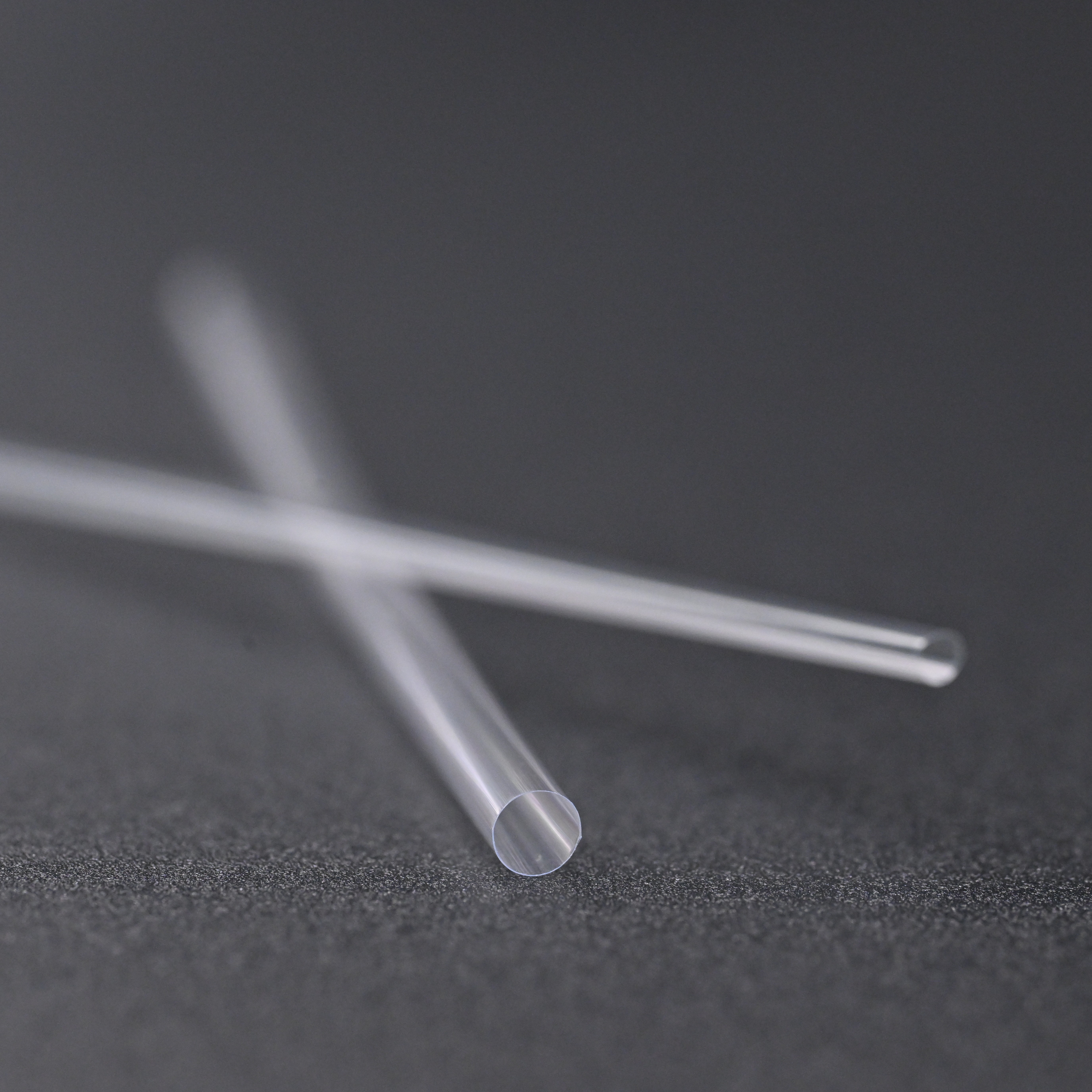
09Sep-2026Catheter Design Guide: Materials, Layers, Tolerances and Manufacturing
-
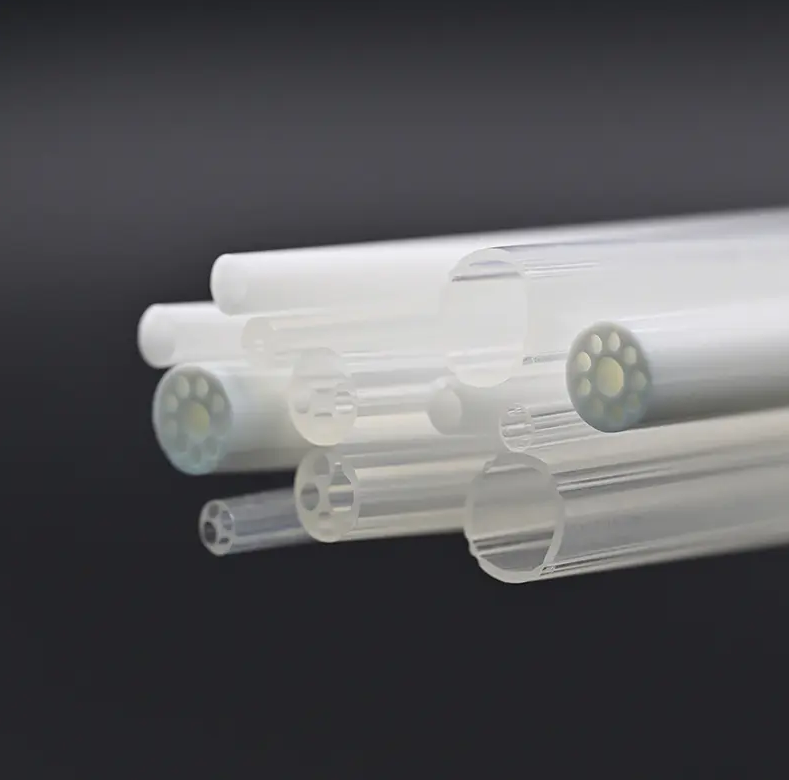
02Sep-2026Биосовместимость медицинских изделий PEEK: что нужно знать инженерамКогда в тело помещается медицинское устройство, первый вопрос не в том, «работает ли оно?» но «безопасно ли это?» Полиэфирэфиркетон (ПЭК) ответил на этот вопрос на протяжении десятилетий. Его биосовместимость – это не маркетинговая фраза; он происходит из химически стабильной основы, которая не выделяет вредных вымываемых веществ, не разлагается в жидкостях организма и не провоцирует хроническое воспаление. Для катетеров, систем доставки и имплантируемых компонентов ПЭК стал выбором по умолчанию, когда инженерам требуется как структурная надежность, так и тканевая переносимость. Биосовместимость PEEK: что на самом деле означает этот термин Биосовместимость не является каким-то одним свойством материала. Он описывает способность материала работать с соответствующей реакцией хозяина в конкретном приложении. Для PEEK этот ответ неоднократно документировался в ходе испытаний и клинического применения по стандарту ISO 10993. Ароматическая основная цепь PEEK содержит эфирные и кетоновые группы, расположенные в повторяющейся единице. Такая структура делает полимер очень устойчивым к гидролизу, кислотам, основаниям и органическим растворителям. Он не содержит пластификаторов или вымываемых добавок, которые могут мигрировать в ткани. Этот материал также по своей сути не содержит бисфенола А (BPA) и других веществ, разрушающих эндокринную систему, которые вызывают беспокойство у некоторых других полимеров. Согласно опубликованным обзорам в Журнале исследований биомедицинских материалов, тестовые изделия PEEK демонстрируют низкую клеточную токсичность, отсутствие значительной сенсибилизирующей активности и минимальную воспалительную реакцию при имплантации на животных моделях. Для инженеров это означает, что PEEK проходит стандартный комплекс тестов на биосовместимость по стандарту ISO 10993, необходимый для краткосрочного контакта и имплантируемых устройств длительного действия, при условии, что материал составлен и обработан в условиях медицинского уровня. Почему PEEK хорошо работает в живых тканях Одна из причин, по которой PEEK так хорошо переносится, заключается в том, что его поверхность не создает агрессивной окружающей среды. Он химически инертен, не подвержен коррозии и не выделяет ионы металлов. Модуль упругости имплантатов, размещенных рядом с костью, очень похож на губчатую кость, что снижает защиту от напряжений и способствует естественной нагрузке. При использовании катетера его низкий коэффициент трения помогает предотвратить повреждение тканей во время навигации. Максимальная температура непрерывного использования PEEK 250°С ПТФЭ 260°С ТПУ 80°С Пебакс 70°С Данные из общих справочных материалов по разработке полимеров. PEEK может выдерживать многократную автоклавную и гамма-стерилизацию без разложения, в то время как многие другие полимеры размягчаются, становятся хрупкими или разлагаются. Благодаря такому температурному запасу PEEK подходит для устройств, которым необходимо выдерживать агрессивные циклы стерилизации без потери механической целостности. Модуль упругости (ГПа) PEEK 3.6 ПТФЭ 0.5 СВМПЭ 0.9 Титан 110 Данные из опубликованной литературы и паспортов материалов. Такое более близкое соответствие костной ткани помогает ортопедическим имплантатам интегрироваться без защиты от напряжений. В сосудистых устройствах умеренная жесткость PEEK позволяет проводнику или стержню катетера сохранять возможность проталкивания, сохраняя при этом изгиб через извилистую анатомию. Медицинский PEEK: степени и стандарты Не все PEEK одинаковы. ПЭЭК медицинского назначения производится с использованием контролируемых компаундов и проверенных процессов и должен соответствовать таким спецификациям, как ASTM F2026 для ПЭЭК. Эти стандарты определяют допустимые пределы для экстрагируемых, инъецируемых веществ и механических свойств. Промышленный PEEK может содержать добавки или наполнители, не подходящие для контакта in vivo. Когда компонент PEEK используется в медицинском устройстве, поставщик должен предоставить доказательства прослеживаемости партии и испытаний на биосовместимость окончательного состава. Ответственный производитель проведет исследования клеточной токсичности, сенсибилизации и имплантации материала в соответствии с ISO 10993 и задокументирует эти результаты. PEEK также известен своей выдающейся радиационной стабильностью: он сохраняет свои свойства после стерилизации гамма-излучением и электронным лучом, что является ключевым преимуществом перед материалами, которые разлагаются или обесцвечиваются. Для инженеров вывод прост: выберите марку PEEK и поставщика, который соответствует соответствующим нормам в отношении медицинского оборудования. Биосовместимость сырья не передается автоматически на готовый компонент, если в процессе производства происходит загрязнение или изменение химического состава поверхности. Биоинертность или биоактивность: когда необходима модификация поверхности PEEK — биоинертный материал, то есть он не связывается активно с костной тканью. Это не является недостатком для катетера и мягких тканей, где низкий отклик — это именно то, что вам нужно. Однако в ортопедических и зубных имплантатах инженеры иногда добавляют поверхностную обработку, такую как покрытие гидроксиапатитом, плазменное напыление или химическое травление, чтобы улучшить интеграцию кости. Модификация поверхности не меняет объемную биосовместимость ПЭЭК; он добавляет контролируемый поверхностный слой, который способствует прикреплению клеток. Многие из этих обработок применяются к готовому компоненту, поэтому базовый материал PEEK по-прежнему соответствует требованиям ISO 10993. В случае медицинских трубок практическая задача чаще всего заключается в поддержании чистой и гладкой поверхности после экструзии и вторичной обработки, о которой мы поговорим далее. Как сохраняется биосовместимость PEEK во время обработки Даже безупречная смола PEEK может потерять свою биосовместимость, если в процессе механической обработки или экструзии произойдет загрязнение. Смазочные материалы, металлическая стружка, антиадгезивы и даже частицы, находящиеся в воздухе, могут проникнуть в поверхность детали. Вот почему компоненты медицинского назначения из PEEK должны производиться в контролируемых чистых помещениях в соответствии с условиями GMP. Ответственный производитель отслеживает каждую партию от сырья до готовой продукции. Они проверяют профиль температуры экструзии, проверяют концентричность и толщину стенок, а также выполняют последующую обработку, такую как очистка, удаление заусенцев и обработка поверхности, в чистой среде. Производственная линия должна быть предназначена для производства медицинских полимеров и не использоваться совместно с промышленными материалами, которые могут вызывать перекрестное загрязнение. Наше собственное предприятие включает в себя около 20 000 квадратных метров чистых помещений и набор специализированных экструзионных линий PEEK, машин для литья под давлением и механообрабатывающего оборудования. Этот уровень контроля помогает гарантировать, что биосовместимость, указанная в сертификате материала, действительно присутствует в полученном вами устройстве. PEEK в медицинских трубках и катетерах За последнее десятилетие PEEK заработал прочную репутацию в интервенционной кардиологии, неврологии и малоинвазивной хирургии. Трубки из PEEK используются в направляющих катетерах, микрокатетерах и баллонных катетерах, поскольку они сочетают в себе жесткость и гибкость, низкое внутреннее трение и исключительную устойчивость к перегибам. Материал не впитывает воду, поэтому сохраняет размерную стабильность внутри корпуса. Трубки из PEEK для медицинских катетеров и многопросветных применений Трубки из PEEK обладают высокой прочностью, устойчивостью к перегибам и стабильностью размеров для использования в направляющих катетерах, эндоскопах и урологических устройствах. Его биосовместимость и возможность производить тонкостенные многопросветные формы позволяют использовать более мелкие и удобные в навигации инструменты. Посмотреть продукт → Во многих конструкциях катетеров PEEK сочетается с тонкостенной экструзией для уменьшения профиля при сохранении механических характеристик. Способность производить ультратонкие многослойные трубки из PEEK является основной компетенцией LINSTANT и открывает двери для создания меньших по размеру и более удобных в навигации устройств. Изометрический вид трубки PEEK Внешняя стена слой PEEK Внутренний просвет 1.Д. / 2.Д. контролируемый Иллюстративное поперечное сечение однослойной трубки из ПЭЭК. Термоусадочная трубка из PEEK стала надежным способом крепления компонентов, изоляции соединений и защиты соединений катетера без увеличения объема. Он плотно сжимается вокруг основной структуры и остается стабильным после гамма-стерилизации. Термоусадочная трубка из PEEK для изоляции и защиты компонентов Термоусадочная трубка из PEEK обеспечивает плотное и стабильное покрытие соединений и соединений в медицинских устройствах, выдерживает температуру до 260°C, а также устойчива к радиации и коррозии. Надежная изоляция делает его пригодным для критически важных соединений. Посмотреть продукт → Для компонентов со сложной геометрией, таких как корпуса коллекторов, кожухи или рентгеноконтрастные маркеры, детали из ПЭЭК, отлитые под давлением или обработанные на станке, могут обеспечить жесткие допуски и повторяемость. Обработанные детали из PEEK также полезны в программах мелкосерийного производства или ранних прототипов, где затраты на оснастку еще не оправданы. Обработанные детали из PEEK для сложных компонентов медицинского оборудования Обработанные детали из PEEK обеспечивают точные допуски для коллекторов, оболочек и рентгеноконтрастных маркеров в медицинских устройствах. Они идеально подходят для прототипов и небольших партий, обеспечивая прочность и биосовместимость без затрат на оснастку. Посмотреть продукт → Как выбрать поставщика труб PEEK Выбор поставщика так же важен, как и выбор материала. Надежный партнер по производству труб из PEEK должен обеспечивать чистоту помещений, поддерживать соответствие требованиям GMP и демонстрировать контроль процесса экструзии и последующей обработки. Задайте эти вопросы перед заключением контракта: Используете ли вы специальные экструзионные линии из PEEK с контролируемыми температурными профилями? Можете ли вы производить ультратонкие стенки или многослойные конструкции с жесткой концентричностью? Как документировать отслеживаемость партий и результаты испытаний? Можете ли вы предоставить отчеты об испытаниях готового компонента по стандарту ISO 10993? Предлагаете ли вы вторичные операции, такие как развальцовка, опрокидывание и обработка поверхности? Если ваш поставщик может ответить на эти вопросы документально, риск невелик. В LINSTANT мы рассматриваем PEEK как семейство основных материалов и создали ОЭМ/ОДМ возможности, которые поддерживают клиентов от проектных исследований до серийного производства. Введение компании Компания Ningbo LINSTANT Polymer Materials Co., Ltd. была основана в 2014 году и с тех пор превратилась в высокотехнологичное предприятие национального уровня с более чем 500 профессиональными сотрудниками. Компания стремится выйти за рамки роли традиционного поставщика компонентов и стать неотъемлемой частью продукции своих клиентов. От точного соответствия на этапе совместного проектирования до обеспечения надежности во время производства, LINSTANT глубоко интегрируется в основную цепочку создания стоимости продукции своих клиентов, превращая катетерную технологию в основное конкурентное преимущество своей продукции. Благодаря постоянным технологическим инновациям и строгому контролю качества мы можем предоставить производителям медицинского оборудования более безопасные, точные и технологически совершенные индивидуальные решения для катетерных систем. Свяжитесь с нами чтобы обсудить ваш следующий проект катетера PEEK. Часто задаваемые вопросы о биосовместимости PEEK Биосовместим ли PEEK? Да, PEEK медицинского назначения широко считается биосовместимым. Он прошел тесты ISO 10993 на цитотоксичность, сенсибилизацию и раздражение. Соответствует ли PEEK стандарту ISO 10993? Сырье и готовые компоненты из PEEK могут быть проверены на соответствие требованиям ISO 10993. Можно ли использовать PEEK при контакте с кровью? Да, PEEK используется в катетерах и сосудистых устройствах. Низкое трение и химическая инертность помогают минимизировать риск тромбоза. Является ли PEEK рентгенопрозрачным? PEEK рентгенопрозрачен, что означает, что он не блокирует рентгеновские лучи. Это может быть преимуществом, когда устройство должно быть видно на изображениях. Как проверяется биосовместимость PEEK? Стандартное тестирование включает культуру клеток, имплантацию животным и анализ химических экстрактов в соответствии с ISO 10993. Что такое медицинский PEEK? ПЭЭК медицинского назначения производится в соответствии с контролируемым составом с возможностью отслеживания партий и проверенными механическими свойствами в соответствии с ASTM F2026. .article-section{font-family:Arial,sans-serif;color:#333;line-height:1.6;margin-bottom:24px;}.article-section p{font-size:16px!important;margin-bottom:12px;}.article-section h2{font-size:22px;font-weight:bold;text-align:left;margin-bottom:12px!important;color:#1a1a1a;border-bottom:2px solid #2c7fb8;padding-bottom:6px;}.article-section h3{font-size:16px;font-weight:bold;text-align:left;margin-bottom:12px;color:#2c7fb8;}.article-section ul{margin-bottom:12px;list-style-type:disc;list-style-position:inside;padding-left:0;}.article-section ol{margin-bottom:12px;list-style-type:decimal;list-style-position:inside;padding-left:0;}.article-section li{list-style:inherit;font-size:16px;margin-bottom:6px;}.article-section table{display:table!important;}.article-section thead{display:table-header-group!important;}.article-section tbody{display:table-row-group!important;}.article-section tr{display:table-row!important;}.article-section th{display:table-cell!important;font-weight:bold;border:1px solid #cccccc;padding:8px;}.article-section td{display:table-cell!important;border:1px solid #cccccc;padding:8px;}.article-section caption{caption-side:bottom;font-size:16px;margin-bottom:12px;font-style:italic;color:#808080;}.article-section svg{display:block;width:440px;height:auto;margin:16px auto;}.faq-grid{display:grid;grid-template-columns:1fr 1fr;gap:16px;}.faq-item{background:#f0f7ff;border-left:4px solid #2c7fb8;border-radius:6px;padding:12px;}.faq-item h3{margin-bottom:6px;font-size:16px;color:#2c7fb8;}.faq-item p{margin-bottom:0;font-size:14px;}@media(max-width:640px){.article-section svg{width:100%;}.faq-grid{grid-template-columns:1fr;}} .product-card{display:block;margin:20px 0;border:1px solid #e5e7eb;border-radius:10px;overflow:hidden;font-style:normal;background:#fff}.pc-inner{display:flex;text-decoration:none;color:inherit;align-items:center;min-height:120px}.pc-img{width:160px;min-width:160px;aspect-ratio:4/3;height:auto;min-height:120px;object-fit:cover;flex-shrink:0;display:block;align-self:stretch}.pc-body{padding:12px 16px;flex:1;min-width:0;display:flex;flex-direction:column;align-self:stretch;justify-content:center}.pc-title{display:block;font-size:15px;font-weight:600;color:#111;margin:0 0 6px;line-height:1.4}.pc-desc{display:-webkit-box;font-size:13px;color:#6b7280;margin:0 0 8px;line-height:1.5;overflow:hidden;-webkit-line-clamp:2;line-clamp:2;-webkit-box-orient:vertical}.pc-cta{display:block;font-size:13px;font-weight:600;color:#2D6ED7;margin-top:auto}.pc-inner:hover .pc-title{text-decoration:underline} .article-section a:not(.pc-inner),article a:not(.pc-inner){color:#2D6ED7}.pc-cta{color:#2D6ED7!important}
-
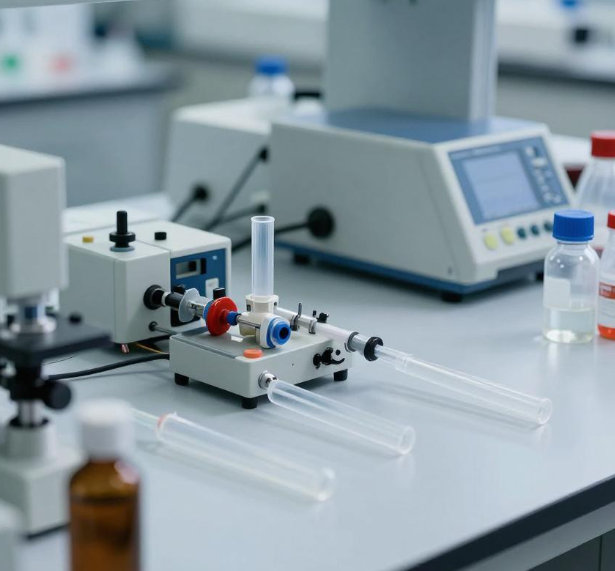
26Aug-2026Биосовместимы ли медицинские трубки из PEEK? Что нужно знать производителямЕсть Медицинские трубки из ПЭК Биосовместимость Медицинские трубки из ПЭК обычно считаются биосовместимыми и широко используются в устройствах, требующих контакта с телом, благодаря своей стабильной химической структуре, возможностям производства с высокой степенью чистоты и устойчивости к разложению внутри тела. PEEK, сокращение от полиэфирэфиркетон, представляет собой высокоэффективный термопласт, который сочетает в себе механическую прочность, термическую стабильность и химическую стойкость, что обеспечивает его давнее использование в имплантируемых и контактирующих с телом медицинских компонентах. В следующих разделах объясняются характеристики материала, лежащие в основе этого профиля биосовместимости, сравнивается PEEK с общими ожиданиями для других конструкционных полимеров и описывается, что производители должны учитывать при указании характеристик. медицинские трубки из PEEK для программы устройства. Что делает PEEK подходящим для применений, контактирующих с телом PEEK – это полукристаллический полимер, который сохраняет стабильную молекулярную структуру при механическом воздействии, повышенной температуре и многократном химическом воздействии. Эта структурная стабильность является основной причиной того, что материал со временем сопротивляется разрушению внутри тела, что является базовым требованием для любого полимера, предназначенного для контакта с телом или для имплантации. В отличие от некоторых полимеров, которые размягчают или выщелачивают компоненты в физиологических условиях, PEEK сохраняет свои размерные и механические свойства в широком диапазоне сценариев воздействия. Медицинские трубки из ПЭК Cross Section Гомогенная стена из одного материала обеспечивает постоянство свойств поверхности Характеристики материала, поддерживающие биосовместимость Стабильная молекулярная структура, устойчивая к разрушению в физиологических условиях. Низкая реактивность с биологическими жидкостями и обычными стерилизующими препаратами. Стабильные характеристики поверхности по всей стенке трубки Совместимость с контролируемыми производственными средами высокой чистоты. Устойчивость к высоким температурам и многократная стерилизация Одной из определяющих характеристик PEEK является его способность стабильно работать при температуре до 250 градусов Цельсия, сохраняя при этом свои механические свойства. Такая устойчивость к высоким температурам позволяет медицинским трубкам из ПЭЭК выдерживать многократные циклы стерилизации в условиях высоких температур без размягчения или смещения размеров, которые могут повлиять на полимеры, работающие при более низких температурах. Сохранение имущества в течение всего цикла стерилизации Цикл 1 Цикл N PEEK Стандартный полимер Поскольку он выдерживает температуру выше 250 градусов по Цельсию, медицинские трубки из PEEK может проходить многократные процедуры высокотемпературной стерилизации, сохраняя при этом свою высокую кристалличность и термическую стабильность - сочетание, которое способствует его использованию в компонентах устройств многократного использования или многократной обработки. Механическая прочность и вязкость разрушения PEEK сочетает в себе высокую прочность с высокой вязкостью разрушения и стабильными размерными характеристиками, что означает, что материал устойчив как к разрушению под нагрузкой, так и к постепенной деформации с течением времени. Такое сочетание твердости и ударной вязкости редко встречается среди конструкционных полимеров, большинство из которых отдают предпочтение одному свойству за счет другого. Механические характеристики PEEK Предел прочности Высокий Вязкость разрушения Высокий Стабильность размеров Высокий Только гибкость Умеренный Общие характеристики, связанные с марками материалов PEEK Насколько прочны трубки из PEEK на практике С практической точки зрения, трубы из ПЭЭК могут сохранять точные размеры при механической нагрузке, поэтому их часто выбирают для компонентов вала, которым необходимо передавать усилие без растяжения, сплющивания или потери округлости во время использования устройства. Химическая стабильность, износостойкость и огнестойкость Помимо механических характеристик, PEEK демонстрирует хорошую химическую стабильность, огнестойкость и износостойкость — три характеристики, которые имеют значение как в производстве, так и в клиническом использовании. Химическая стабильность защищает трубки от разрушения при воздействии чистящих средств, связующих растворителей и биологических жидкостей. Износостойкость обеспечивает стабильную работу в приложениях, связанных с повторяющимся контактом или скольжением по другим компонентам. Ключевые характеристики сопротивления Химическая носить Пламя Термальный Есть PEEK Tubing Chemically Resistant Да, трубки из PEEK обычно считаются химически стойкими к широкому спектру распространенных растворителей, чистящих средств и физиологических жидкостей, встречающихся как в производственных, так и в клинических условиях, что подтверждает их выбор для компонентов, требующих стабильности при длительном химическом воздействии. Чем трубы из PEEK отличаются от других инженерных полимеров Инженеры по устройствам часто сравнивают PEEK с другими высокоэффективными полимерами при выборе материала трубок для конкретного применения. Приведенная ниже диаграмма иллюстрирует общее сравнение факторов, обычно оцениваемых при выборе материала. PEEK против полимеров общего назначения Сила Термальный Tolerance носить Resistance Гибкость хим. Сопротивление Прочность PEEK Общий полимер Есть PEEK Tubing Flexible Трубы из PEEK обладают скорее умеренной гибкостью, чем высокой гибкостью, поскольку их характеристики прочности и жесткости обычно имеют приоритет над гибкостью. В тех случаях, когда требуется более высокая гибкость, инженеры обычно регулируют толщину стенок или комбинируют PEEK со вторичным гибким компонентом, а не полагаются только на PEEK для получения очень гибкого вала. Точность, кристалличность и стабильность производства PEEK предлагает потенциал высокой точности производства наряду с высокой кристалличностью, что в совокупности обеспечивает лучшую термостабильность и повторяемость размеров в течение всего производственного цикла. Эта последовательность особенно актуальна для тонкостенные медицинские трубки из PEEK , где небольшие различия в толщине или округлости стенок могут повлиять на работу трубки после ее интеграции в готовое устройство. Краткое описание преимуществ Высокая точность производство поддерживает жесткие требования к допускам Твердость в сочетании с прочностью поддерживает долговечность при механическом воздействии Выдерживает температура выше 250 градусов по Цельсию , поддерживая повторную высокотемпературную стерилизацию Высокая кристалличность способствует лучшая термическая стабильность по обработке и использованию Распространенные области применения медицинских трубок из PEEK Описанные выше свойства делают трубки из PEEK подходящими для ряда категорий устройств, где одновременно требуются прочность, термическая стабильность и химическая стойкость. В таблице ниже приведены типичные области применения. Распространенные области применения медицинских трубок из PEEK Область применения Соответствующее свойство PEEK Компоненты стержня катетера Сила and dimensional stability Многоразовые компоненты устройства Высокий temperature sterilization tolerance носить Contact Components носить resistance and toughness Химическая Exposure Components Химическая stability and flame resistance Поиск производителей медицинские трубки из PEEK for catheters обычно оценивают толщину стенки, размерные допуски и качество поверхности наряду с этими базовыми свойствами материала, чтобы убедиться, что трубка соответствует механическим требованиям конкретного устройства. О LINSTANT: источник медицинских трубок из PEEK НИНБО LINSTANT ПОЛИМЕРНЫХ МАТЕРИАЛОВ CO., LTD. была основана в 2014 году и специализируется на экструзионной обработке, нанесении покрытий и технологиях последующей обработки медицинских полимерных трубок. Как медицинские трубки из PEEK supplier Компания сохраняет приверженность точности, безопасности, разнообразным возможностям разработки процессов и стабильной продукции для производителей устройств. LINSTANT управляет цехом очистки площадью почти 20 000 квадратных метров, который соответствует стандартам GMP, при поддержке 15 импортных экструзионных линий с различными размерами шнеков и возможностью одно-, двух- и трехслойной совместной экструзии, восьми экструзионных линий PEEK, двух линий литья под давлением, около 100 комплектов оборудования для плетения, пружинения и нанесения покрытий, а также сорока комплектов сварочного и формовочного оборудования. Сфера деятельности включает экструдированные одно- и многослойные трубки, одно- и многопросветные трубки, одно-, двух- и трехслойные баллонные трубки, спиральные и плетеные армированные оболочки, специальные трубки из PEEK и PI, а также различные решения для обработки поверхности. Особенности материала PEEK Сводная информация о характеристиках материала PEEK, на которые ссылается LINSTANT. Характеристика Описание Терпимость к температуре Стабильная работа до 250 градусов Цельсия. Механический профиль Высокий strength with high fracture toughness Химическая Behavior Хорошая химическая стабильность и огнестойкость. Производительность поверхности Хорошая износостойкость и биосовместимость. Часто задаваемые вопросы Вопрос 1. Что такое медицинские трубки из PEEK? Медицинские трубки из PEEK — это трубки, изготовленные из полиэфирэфиркетона, высокоэффективного термопластика, известного своей прочностью, термической стабильностью и биосовместимостью в медицинских устройствах. В2. Для чего используются трубы PEEK? Он используется в компонентах стержня катетера, деталях устройств многоразового использования и других устройствах, где одновременно требуются прочность, стабильность размеров и химическая стойкость. Вопрос 3. Почему PEEK используется в медицинских приборах? PEEK сочетает в себе высокую прочность, термическую стабильность, химическую стойкость и биосовместимость в одном материале, что снижает необходимость компромисса одного свойства с другим при проектировании устройства. Вопрос 4. Каковы преимущества медицинских трубок из PEEK? Преимущества включают высокую точность изготовления, сочетание твердости и прочности, устойчивость к многократной стерилизации при высоких температурах и стабильные размеры с течением времени. Вопрос 5. Что такое медицинский PEEK? ПЭЭК медицинского назначения относится к материалу ПЭЭК, обработанному и контролируемому в соответствии со стандартами, подходящими для использования в медицинских устройствах, включая компоненты, контактирующие с телом, и компоненты многоразового использования. Вопрос 6. Насколько прочны трубки PEEK? Трубы из PEEK обладают высокой прочностью на разрыв в сочетании с высокой вязкостью разрушения, что позволяет им противостоять как разрушению под нагрузкой, так и постепенной деформации при многократном использовании. Вопрос 7. Гибки ли трубки PEEK? Трубы из ПЭЭК обеспечивают скорее умеренную гибкость, чем высокую гибкость, поскольку в их конструкции обычно прочность и стабильность размеров отдаются приоритету над гибкостью. Вопрос 8. Устойчивы ли трубки PEEK к износу? Да, трубки из ПЭЭК обладают хорошей износостойкостью, что обеспечивает стабильную работу в условиях многократного контакта или скольжения по другим компонентам. Вопрос 9. Являются ли трубы PEEK химически стойкими? Да, трубки из ПЭЭК демонстрируют хорошую химическую стабильность в отношении многих распространенных растворителей, чистящих средств и физиологических жидкостей, встречающихся в производстве и клиническом использовании. Вопрос 10. Могут ли трубы PEEK выдерживать высокие температуры? Да, трубки из PEEK могут стабильно работать при температуре до 250 градусов Цельсия, что позволяет им выдерживать многократную стерилизацию в условиях высоких температур. .li-pk-section{margin-bottom:40px;}.li-pk-section h2{font-size:22px;font-weight:bold;text-align:left;line-height:1.4;margin-bottom:15px;color:#005c8f;padding-left:14px;border-left:5px solid #008cd6;}.li-pk-section h3{font-size:16px;font-weight:bold;text-align:left;line-height:1.6;margin-bottom:15px;color:#0069a3;}.li-pk-section p{font-size:16px;text-align:left;line-height:2;margin-bottom:15px;color:#333333;}.li-pk-section ul{margin-bottom:15px;padding-left:0;}.li-pk-section ol{margin-bottom:15px;padding-left:0;}.li-pk-section li{font-size:16px;line-height:2;margin-bottom:5px;color:#333333;}.li-pk-intro{background:linear-gradient(135deg,#eaf5fc 0%,#dcedf8 100%);border-radius:10px;padding:24px;}.li-pk-what{background-color:#ffffff;border:1px solid #dbe9f5;border-radius:10px;padding:24px;}.li-pk-thermal{background:linear-gradient(180deg,#f2f9fd 0%,#ffffff 100%);border-radius:10px;padding:24px;}.li-pk-strength{background-color:#ffffff;padding:24px;border-radius:10px;box-shadow:0 1px 4px rgba(0,140,214,0.08);}.li-pk-chemical{background:linear-gradient(135deg,#e8f3fb 0%,#f6fbfd 100%);border-radius:10px;padding:24px;}.li-pk-compare{background-color:#ffffff;padding:24px;border-radius:10px;border:1px solid #dbe9f5;}.li-pk-precision{background:linear-gradient(180deg,#f0f8fc 0%,#ffffff 100%);border-radius:10px;padding:24px;}.li-pk-applications{background:linear-gradient(135deg,#e3f0f9 0%,#f4fafd 100%);border-radius:10px;padding:24px;}.li-pk-company{background:linear-gradient(135deg,#dfeefa 0%,#cfe6f6 100%);border-radius:10px;padding:24px;}.li-pk-faq{background-color:#ffffff;padding:24px;border-radius:10px;}.li-pk-faq h2{border-left:5px solid #008cd6;margin-bottom:20px;}.li-pk-chart-wrap{width:440px;margin:0 auto 15px auto;background-color:#ffffff;border-radius:8px;padding:10px;box-shadow:0 1px 6px rgba(0,140,214,0.10);}.li-pk-chart-wrap svg{width:100%;height:auto;display:block;}.li-pk-section table caption{caption-side:bottom;font-size:16px;margin-bottom:12px;font-style:italic;color:#808080;}.li-pk-section table thead th{background-color:#008cd6;color:#ffffff;}.li-pk-section table tbody tr:nth-child(even){background-color:#eef7fc;}.li-pk-section table tbody tr:nth-child(odd){background-color:#ffffff;}.li-pk-faq-grid{display:flex;flex-wrap:wrap;gap:16px;}.li-pk-faq-item{flex:0 0 calc(50% - 8px);background:linear-gradient(135deg,#eef7fd 0%,#e0f0fa 100%);border-left:4px solid #008cd6;border-radius:8px;padding:16px 18px;box-sizing:border-box;}.li-pk-faq-item h3{color:#005c8f;margin-bottom:8px;font-size:16px;}.li-pk-faq-item p{margin-bottom:0;font-size:16px;line-height:1.9;color:#333333;}@media only screen and (max-width:640px){.li-pk-chart-wrap{width:100%;}.li-pk-faq-item{flex:0 0 100%;}.li-pk-section h2{font-size:20px;padding-left:10px;}.li-pk-intro,.li-pk-what,.li-pk-thermal,.li-pk-strength,.li-pk-chemical,.li-pk-compare,.li-pk-precision,.li-pk-applications,.li-pk-company,.li-pk-faq{padding:16px;}}
-
20Aug-2026Медицинские ПИ-трубки: 7 ключевых свойств, которые должны знать инженеры медицинского оборудования7 ключевых свойств Медицинские ПИ-трубки Инженеры должны оценить Медицинские ПИ-трубки ценятся инженерами устройств прежде всего за сочетание высокой прочности на разрыв с чрезвычайно тонкой стенкой, высокой термической стабильности, широкой химической стойкости, жестких допусков на размеры, биосовместимости, контролируемой гибкости и совместимости с процессами армирования или покрытия. Эти семь свойств, вместе взятые, объясняют, почему полиимид неоднократно выбирается в качестве основного материала трубок для вкладышей катетеров, стержней микрокатетера и других минимально инвазивных компонентов устройств, где толщина стенок и механическая надежность имеют значение. В разделах ниже подробно рассматривается каждое свойство, сравнивается полиимид с общими ожиданиями от других материалов трубок и описывается, где каждая характеристика становится наиболее значимой при проектировании и производстве устройств. Свойство 1: Высокая прочность на разрыв в тонкой стене Одна из наиболее часто упоминаемых причин выбора медицинские трубки ПИ заключается в том, что он может выдерживать значительную прочность на разрыв, сохраняя при этом очень тонкое поперечное сечение. Это имеет непосредственное значение для конструкции катетера, где каждая доля миллиметра толщины стенки может быть перераспределена в сторону большего внутреннего просвета или меньшего внешнего диаметра, что улучшает характеристики устройства. Сравнение прочности и толщины стенки Полиимид Высокий Стандартный нейлон Умеренный ПТФЭ Умеренный Полиуретан Нижний Наглядное сравнение прочности, сохраняемой при тонкой толщине стенки. Поскольку материал эффективно переносит нагрузку при малой толщине, сверхтонкостенные полиимидные трубки часто используется для слоев прокладок в микрокатетерах и других устройствах небольшого профиля, где каждое приращение толщины стенки напрямую конкурирует с полезным пространством просвета. Свойство 2: Термическая стабильность в широком диапазоне температур. Полиимидные трубки сохраняют свои механические и размерные свойства в широком диапазоне температур по сравнению со многими полимерами общего назначения. Это становится актуальным не только во время клинического использования, но и на всех этапах производства, таких как пайка оплавлением близлежащих компонентов, термофиксация и обработка, связанная со стерилизацией, где трубки не должны размягчаться, деформироваться или терять точность размеров. Относительное сохранение свойств в зависимости от температуры Низкий Высокий Temp Полиимид Стандартный полимер Такое широкое окно термической стабильности является одной из причин полиимидные трубки медицинского назначения продолжает сохранять постоянство размеров на всех этапах процесса сборки устройства, которые могут размягчить или деформировать многие альтернативные материалы трубок. Свойство 3: Широкая стойкость к химическим веществам и растворителям. Производство медицинского оборудования и клиническое использование подвергают трубки воздействию целого ряда точек химического контакта, включая чистящие средства, контрастные вещества, связывающие растворители и физиологические жидкости. Полиимид, как правило, известен своей устойчивостью к разрушению под действием многих распространенных растворителей и химикатов, встречающихся как в процессе производства, так и в процессе использования устройства, что помогает сохранить целостность трубок на протяжении всего срока службы компонента. Общие точки воздействия во время производства и использования Связывающие и адгезивные растворители, используемые при сборке стержня катетера. Чистящие и обезжиривающие средства, используемые в производственных условиях. Контрастные среды и солевые растворы, встречающиеся во время процедур Химические покрытия и смазочные материалы, наносимые на внешнюю поверхность труб Сравнение химической стойкости Растворители Чистящие средства Жидкости организма Клеи Покрытия Свойство 4: Жесткие допуски по размерам и однородность стенок Постоянный внутренний и внешний диаметр, а также концентричность стенок необходимы для трубок, которые впоследствии будут армированы, покрыты покрытием или вклеены в многослойный стержень катетера. Полиимидные трубки, изготовленные с помощью прецизионной экструзии или литья из растворителя, могут обеспечить узкие пределы допусков, что обеспечивает повторяемость сборки и предсказуемое механическое поведение в рамках производственной партии. Внешняя стена Внутреннее отверстие Толщина стенки и зоны допуска Последовательная геометрия стен обеспечивает предсказуемое склеивание и армирование. Такой уровень контроля размеров является ключевой причиной, по которой многие инженерные группы запрашивают тонкостенная микрокатетерная трубка Создан специально для соответствия целевому внутреннему просвету, оставаясь при этом в пределах определенного диапазона внешнего диаметра готового устройства. Свойство 5: Биосовместимость при контакте с телом Полиимид, используемый в медицинских трубках, выбран для составов, подходящих для применения в контакте с телом, что позволяет использовать его в качестве материала вкладыша в катетерах и других устройствах, которые вступают в контакт с сосудистой тканью или жидкостями организма во время процедуры. Биосовместимые полиимидные трубки обычно производится в контролируемых производственных условиях, что позволяет поддерживать чистоту и однородность материала от партии к партии. Почему биосовместимость имеет значение при выборе трубок Группы разработчиков устройств обычно оценивают биосовместимость наряду с механическими характеристиками, а не как отдельный фактор, поскольку материал трубок должен одновременно удовлетворять обоим требованиям, чтобы быть пригодным для применения в катетерах или интродьюсерах. Это одна из причин, по которой полиимид по-прежнему сочетается с армирующими слоями, а не полностью заменяется другими вариантами полимеров. Свойство 6: Контролируемая гибкость и предсказуемое поведение при изгибе Хотя полиимид сам по себе сравнительно жесткий по сравнению с некоторыми эластомерными материалами трубок, его поведение при изгибе весьма предсказуемо, что позволяет инженерам проектировать стержни катетеров с известными характеристиками гибкости, а не с переменными. Эта предсказуемость часто более ценна в конструкции катетера, чем просто гибкость, поскольку стержень с неустойчивой реакцией на изгиб труднее контролировать во время навигации. Полиимид vs General Tubing Materials Сила Термическая стабильность Точность Гибкость хим. Сопротивление Тонкость стены Полиимид Общий полимер Поскольку поведение при изгибе само по себе более предсказуемо, чем гибкое, полиимидные вкладыши обычно комбинируются с армирующими слоями, когда конструкция катетера требует как гибкости, так и контролируемого восстановления, особенно при полиимидные трубки для микрокатетеров который должен проходить через узкие изогнутые сосуды. Свойство 7: Совместимость с процессами армирования и нанесения покрытий Практическое свойство, которому часто уделяется меньше внимания, чем прочность исходного материала, — это то, насколько хорошо подложка трубки связывается с вторичными процессами, такими как оплетка, намотка в бухту и покрытие внешней оболочки. Полиимидные поверхности обычно хорошо воспринимают армирование оплеткой и вторичное покрытие, что отчасти объясняет, почему он эффективно функционирует в качестве слоя прокладки внутри многослойного стержня катетера, а не только как отдельная трубка. Соображения технологической совместимости для трубок с полиимидным вкладышем Вторичный процесс Роль в готовом устройстве плетение Добавляет передачу крутящего момента и взрывную силу намотка Улучшает устойчивость к изломам на поворотах. Внешняя оболочка Фиксирует армирование и сглаживает внешнюю поверхность. Обработка поверхности Регулирует смазывающую способность и характеристики сцепления. Именно эта многоуровневая совместимость медицинская трубка PI для катетеров часто поставляется как базовый компонент футеровки, предназначенный для дальнейшей обработки, а не как готовый самостоятельный продукт. Где обычно применяются медицинские трубки PI Семь свойств, рассмотренных выше, в совокупности делают полиимидные трубки пригодными для применения в ряде минимально инвазивных устройств. В таблице ниже приведены типичные случаи использования, относящиеся к инженерам, использующим этот материал. Распространенные области применения медицинских трубок PI Приложение Соответствующее свойство Микрокатетерные вкладыши Прочность тонких стенок и точность размеров Направляющие вкладыши катетера Химическая стойкость и совместимость покрытий Валы системы доставки Предсказуемое поведение при изгибе с усилением Компоненты представления Биосовместимость и термостабильность О LINSTANT: источник медицинских трубок PI НИНБО LINSTANT ПОЛИМЕРНЫХ МАТЕРИАЛОВ CO., LTD. была основана в 2014 году и специализируется на экструзионной обработке, нанесении покрытий и технологиях последующей обработки медицинских полимерных трубок. Как поставщик медицинских трубок PI Компания работает над обеспечением точности, последовательности и разнообразия процессов разработки для производителей устройств, закупающих компоненты для обсадных труб и трубок вала. LINSTANT управляет цехом очистки площадью почти 20 000 квадратных метров, который соответствует стандартам GMP, при поддержке 15 импортных экструзионных линий с различными размерами шнеков и возможностью одно-, двух- и трехслойной совместной экструзии, восьми экструзионных линий PEEK, двух линий литья под давлением, около 100 комплектов оборудования для плетения, пружинения и нанесения покрытий, а также сорока комплектов сварочного и формовочного оборудования. Сфера деятельности включает экструдированные одно- и многослойные трубки, одно- и многопросветные трубки, одно-, двух- и трехслойные баллонные трубки, спиральные и плетеные армированные оболочки, специальные трубки из PEEK и PI, а также различные решения для обработки поверхности. Обзор объекта LINSTANT Экструзионная трубка/год 20 000 000 Плетеная трубка/год 2 000 000 Площадь чистого помещения (кв.м.) 30 000 кв.м. Испытательное и лабораторное оборудование 1500 Права интеллектуальной собственности 50 Команды, оценивающие изготовленные на заказ медицинские трубки PI build часто работает напрямую с инженерами-технологами, чтобы определить толщину стенок, диапазоны допусков и потребности в обработке поверхности, прежде чем переходить к этапам армирования или нанесения покрытия, поскольку эти предварительные решения определяют, как готовая трубка будет вести себя после ее интеграции в стержень катетера. Часто задаваемые вопросы Вопрос 1. Что такое медицинские трубки PI? Медицинские трубки PI относятся к полиимидным трубкам, изготовленным для использования в медицинских устройствах, которые ценятся за прочность тонких стенок, термическую стабильность и химическую стойкость. В2. Для чего нужны полиимидные трубы? В основном он используется в качестве материала вкладыша или стержня в катетерах, микрокатетерах и системах доставки, где требуются тонкие стенки и предсказуемое механическое поведение. Вопрос 3. Почему полиимид используется в медицинских изделиях? Полиимид offers a strong combination of tensile strength, dimensional precision, and chemical resistance in a thin cross-section, which supports smaller device profiles without sacrificing performance. Вопрос 4. Каковы преимущества медицинских трубок PI? Преимущества включают высокую прочность при малой толщине стенок, стабильные характеристики в диапазоне температур, устойчивость к обычным растворителям и жидкостям, а также жесткие допуски на размеры. Вопрос 5. В каких случаях используются полиимидные трубки? Область применения включает в себя вкладыши катетеров, стержни микрокатетеров, компоненты систем доставки и трубки интродьюсеров для всех категорий устройств для сердечно-сосудистых и периферических сосудов. Вопрос 6. Почему в катетерах используются полиимидные трубки? Катетеры нуждаются в материале вкладыша или стержня, который сохраняет небольшой профиль и в то же время противостоит механическим и химическим нагрузкам, связанным с навигацией и процедурами, для обеспечения которых хорошо подходит полиимид. Вопрос 7. Подходят ли полиимидные трубки для микрокатетеров? Да, в микрокатетерах обычно используются тонкостенные полиимидные трубки, поскольку они позволяют использовать небольшой внешний диаметр, сохраняя при этом полезное пространство внутреннего просвета. Вопрос 8. Что такое полиимидный вкладыш катетера? Полиимидный вкладыш катетера представляет собой внутренний слой трубки стержня катетера, обеспечивающий гладкую поверхность просвета с низким коэффициентом трения под любыми слоями усиления или внешней оболочки. Вопрос 9. Как полиимидные трубки улучшают работу катетера? Он обеспечивает тонкий, прочный и стабильный по размерам базовый слой, который обеспечивает предсказуемое поведение при изгибе и совместимость с такими процессами армирования, как плетение или намотка. Вопрос 10. Какая трубка лучше всего подходит для вкладышей катетера? Не существует единого лучшего материала для каждого вкладыша катетера, поскольку требования различаются в зависимости от процедуры, но полиимид широко выбирается, когда прочность тонких стенок и точность размеров являются приоритетами. .li-pit-section{margin-bottom:40px;}.li-pit-section h2{font-size:22px;font-weight:bold;text-align:left;line-height:1.4;margin-bottom:15px;color:#005c8f;padding-left:14px;border-left:5px solid #008cd6;}.li-pit-section h3{font-size:16px;font-weight:bold;text-align:left;line-height:1.6;margin-bottom:15px;color:#0069a3;}.li-pit-section p{font-size:16px;text-align:left;line-height:2;margin-bottom:15px;color:#333333;}.li-pit-section ul{margin-bottom:15px;padding-left:0;}.li-pit-section ol{margin-bottom:15px;padding-left:0;}.li-pit-section li{font-size:16px;line-height:2;margin-bottom:5px;color:#333333;}.li-pit-intro{background:linear-gradient(135deg,#eaf8fb 0%,#dff3f6 100%);border-radius:10px;padding:24px;}.li-pit-prop1{background-color:#ffffff;border:1px solid #dceef3;border-radius:10px;padding:24px;}.li-pit-prop2{background:linear-gradient(180deg,#f4fcfd 0%,#ffffff 100%);border-radius:10px;padding:24px;}.li-pit-prop3{background-color:#ffffff;padding:24px;border-radius:10px;box-shadow:0 1px 4px rgba(0,140,214,0.08);}.li-pit-prop4{background:linear-gradient(135deg,#e9f7fa 0%,#f7fdfd 100%);border-radius:10px;padding:24px;}.li-pit-prop5{background-color:#ffffff;padding:24px;border-radius:10px;border:1px solid #dceef3;}.li-pit-prop6{background:linear-gradient(180deg,#f2fbfc 0%,#ffffff 100%);border-radius:10px;padding:24px;}.li-pit-prop7{background-color:#ffffff;padding:24px;border-radius:10px;box-shadow:0 1px 4px rgba(0,140,214,0.08);}.li-pit-applications{background:linear-gradient(135deg,#e3f4f9 0%,#f4fcfd 100%);border-radius:10px;padding:24px;}.li-pit-company{background:linear-gradient(135deg,#e3f4f9 0%,#d9eef2 100%);border-radius:10px;padding:24px;}.li-pit-faq{background-color:#ffffff;padding:24px;border-radius:10px;}.li-pit-faq h2{border-left:5px solid #008cd6;margin-bottom:20px;}.li-pit-chart-wrap{width:440px;margin:0 auto 15px auto;background-color:#ffffff;border-radius:8px;padding:10px;box-shadow:0 1px 6px rgba(0,140,214,0.10);}.li-pit-chart-wrap svg{width:100%;height:auto;display:block;}.li-pit-section table caption{caption-side:bottom;font-size:16px;margin-bottom:12px;font-style:italic;color:#808080;}.li-pit-section table thead th{background-color:#008cd6;color:#ffffff;}.li-pit-section table tbody tr:nth-child(even){background-color:#f0f9fc;}.li-pit-section table tbody tr:nth-child(odd){background-color:#ffffff;}.li-pit-faq-grid{display:flex;flex-wrap:wrap;gap:16px;}.li-pit-faq-item{flex:0 0 calc(50% - 8px);background:linear-gradient(135deg,#f0fbfd 0%,#e6f6fb 100%);border-left:4px solid #008cd6;border-radius:8px;padding:16px 18px;box-sizing:border-box;}.li-pit-faq-item h3{color:#005c8f;margin-bottom:8px;font-size:16px;}.li-pit-faq-item p{margin-bottom:0;font-size:16px;line-height:1.9;color:#333333;}@media only screen and (max-width:640px){.li-pit-chart-wrap{width:100%;}.li-pit-faq-item{flex:0 0 100%;}.li-pit-section h2{font-size:20px;padding-left:10px;}.li-pit-intro,.li-pit-prop1,.li-pit-prop2,.li-pit-prop3,.li-pit-prop4,.li-pit-prop5,.li-pit-prop6,.li-pit-prop7,.li-pit-applications,.li-pit-company,.li-pit-faq{padding:16px;}}
-
13Aug-2026Почему в медицинских катетерах используются армированные полиимидные трубки?Почему Армированные полиимидные трубки Является предпочтительным выбором для медицинских катетеров Медицинские армированные полиимидные трубки используются в катетерах, поскольку они сочетают в себе чрезвычайно тонкую стенку с высокой прочностью на разрыв, точной передачей крутящего момента и высокой устойчивостью к перегибам. , что позволяет инженерам устройств создавать стержни катетеров, которые проходят по узким, извилистым сосудистым путям, не жертвуя при этом проталкиваемостью или структурной целостностью. Полиимидная смола сама по себе уже обеспечивает превосходную стабильность размеров и химическую стойкость, а когда добавляется плетеный или спиральный металлический армирующий слой, трубка приобретает механическую прочность, необходимую для толкающих, крутящих и изгибающих движений, которые требуются при интервенционных процедурах. Эта комбинация является причиной того, что армированный полиимид стал стандартным методом изготовления направляющих катетеров, микрокатетеров, интродьюсеров и устройств доступа, используемых при процедурах на сердечно-сосудистой, нейрососудистой и периферической сосудистой системе. В разделах ниже рассматриваются материаловедение, армирующие конструкции, различия в характеристиках по сравнению с неармированными трубками, общие области применения и производственные аспекты, которые формируют готовый армированный стержень катетера из полиимида. Что такое медицинские армированные полиимидные трубки Армированные полиимидные трубки для катетеров представляют собой композитную трубчатую конструкцию, состоящую из базового полиимидного слоя, металлического армирующего слоя, такого как проволока из нержавеющей стали или никель-титановой проволоки, и часто вторичной полимерной оболочки. Полиимидный слой, обычно наносимый сначала методом литья из растворителя или методом экструзии, образует очень тонкую и стабильную по размерам внутреннюю стенку. Затем в процессе плетения или намотки тонкая проволока наматывается на базовый слой, после чего внешнее полимерное покрытие фиксирует армирование на месте и создает гладкую, непрерывную внешнюю поверхность. Именно из-за этого многоуровневого подхода конструкцию часто называют плетеная полиимидная трубка катетера или полиимидная трубка, армированная спиралью, в зависимости от рисунка, используемого для слоя проволоки. Плетеные конструкции обычно способствуют передаче крутящего момента и устойчивости к разрывному давлению, тогда как спиральные конструкции обеспечивают гибкость и устойчивость к перегибам вдоль изогнутой анатомии. Армированные полиимидные трубки Structure Внутренняя полиимидная оболочка, плетеный или спиральный металлический слой, внешняя полимерная оболочка. Основные строительные слои Внутренний полиимидный вкладыш: обеспечивает гладкую поверхность просвета с низким коэффициентом трения и тонкую, стабильную по размерам базовую стенку Армирующий слой: плетеная или свернутая тонкая проволока, обеспечивающая контроль крутящего момента, прочность на разрыв и устойчивость к излому Внешняя полимерная оболочка: фиксирует армирование в нужном положении и создает гладкий внешний профиль для прохождения через сосудистую сеть Ключевые свойства материала, которые делают полиимид подходящим для катетеров Полиимид выбран в качестве базового слоя для армированных трубок катетера из-за баланса тонкостенной прочности, термической стабильности и химической стойкости. По сравнению со многими другими конструкционными полимерами, используемыми в экструдированных медицинских трубках, полиимид позволяет более тонкой стенке выдерживать аналогичную механическую нагрузку, что напрямую поддерживает катетер меньшего внешнего диаметра, не теряя при этом размера просвета. Относительные характеристики материала полиимида Предел прочности Высокий Термическая стабильность Высокий Химическая стойкость Высокий Тонкая стена Высокий Только гибкость Умеренный Иллюстративное сравнение характеристик полиимида, имеющих отношение к конструкции трубок катетера. Поскольку неармированный полиимид относительно жесткий и может быть склонен к перегибам при резких радиусах изгиба, инженеры по катетеризации добавляют плетеное или спиральное армирование, чтобы компенсировать умеренную гибкость, сохраняя при этом преимущества прочности и тонкостенности базового полимера. Это одна из основных причин медицинские армированные полиимидные трубки указан вместо использования только полиимида в большинстве конструкций стержня катетера. Как плетение и намотка улучшают работу стержня катетера Армирование добавляется к полиимидной трубке для решения трех практических проблем, с которыми инженеры сталкиваются при проектировании стержней катетера: сохранение проходимости просвета во время изгиба, передача вращательного момента от проксимального конца к дистальному кончику и сопротивление внутреннему давлению, создаваемому во время введения контрастного вещества или раздувания баллона. Плетеный слой, обычно изготовленный из тонкой проволоки из нержавеющей стали или никель-титановой проволоки, сплетенной крест-накрест, равномерно распределяет нагрузку по окружности трубки и особенно эффективен для взаимно однозначной передачи крутящего момента в направляющих катетерах и системах доставки. Напротив, спиральный слой наматывает одинарную или двойную проволоку по спирали по длине трубки. Усиление спирали обычно предпочтительнее на участках катетера, которым необходимо изгибаться через узкие анатомические изгибы, например, дистальные сегменты микрокатетера, поскольку открытый шаг спирали противостоит перекручиванию, в то же время позволяя стержню плавно сгибаться. Сравнение образцов армирования Особенности плетеного и спирального армирования Крутящий момент Кинк Рес. Взрывная ул. Гибкий Плетеный спиральный Многие готовые стержни катетеров не имеют единого типа армирования по всей длине. Вместо этого в проксимальном сегменте может использоваться более плотная оплетка для обеспечения возможности проталкивания и крутящего момента, в то время как в дистальном сегменте для обеспечения гибкости используется открытая катушка - метод, называемый конструкцией переменной жесткости или переходной зоны. Этот гибридный подход распространен в армированная полиимидная трубка для микрокатетеров где дистальный кончик должен перемещаться по небольшим извилистым сосудам, в то время как проксимальный стержень все еще должен передавать толкающую силу. Сравнение характеристик: армированные и неармированные полиимидные трубки Практическая ценность добавления армирующего слоя становится яснее при сравнении армированных и неармированных полиимидных трубок по эксплуатационным характеристикам, которые наиболее важны при использовании катетеров. Неармированные полиимидные трубки хорошо работают в прямых приложениях с низким крутящим моментом, например, в некоторых интродьюсерах или защитных оболочках, но их эффективность ограничена в сценариях, требующих многократного изгиба, передачи крутящего момента или более высокой устойчивости к разрывному давлению. Армированные и неармированные трубы Крутящий момент Давление разрыва Кинк Рес. Гибкийibility Тонкость стены Толкающая передача Усиленный Неармированный Сводка сравнения Общее сравнение армированных и неармированных полиимидных трубок катетера Фактор производительности Неармированный Polyimide Усиленный Polyimide Крутящий момент Transmission Ограниченный Сильный, почти один в один Сопротивление излому Умеренный Улучшено вдоль кривых Давление разрыва Tolerance Нижний Высокийer Типичное применение Простые ножны, вкладыши Стержни катетеров, системы доставки Где используются медицинские армированные полиимидные трубки Армированные полиимидные трубки используются в широком спектре категорий минимально инвазивных устройств, поскольку одни и те же основные преимущества — тонкая стенка, высокая прочность и предсказуемый изгиб — применимы ко многим различным клиническим потребностям. В следующей таблице перечислены распространенные категории устройств, в которых обычно встречается данная конструкция трубок. Распространенные категории устройств с использованием армированных полиимидных трубок Категория устройства Почему Reinforced Polyimide Is Used Направляющие катетеры Крутящий момент control and thin wall for larger inner lumen Микрокатетеры Гибкийibility with kink resistance in small vessels Чехлы для доставки Взрывная сила во время развертывания устройства Доступ к катетерам Стабильная управляемость по извилистым путям Управляемые валы катетера Предсказуемое поведение при изгибе для контроля наконечника Поскольку клинические требования различаются в зависимости от процедуры, многие группы разработчиков устройств работают с поставщик медицинских армированных трубок PI который может регулировать плотность оплетки, шаг катушки, толщину стенок и материал оболочки в соответствии с конкретной конструкцией катетера, а не использовать единую фиксированную спецификацию для каждой линейки продуктов. Особенности проектирования армированных полиимидных трубок по индивидуальному заказу Выбор правильной конфигурации армированных полиимидных трубок зависит от нескольких взаимодействующих конструктивных переменных. Инженеры обычно оценивают следующие факторы вместе, а не по отдельности, поскольку изменение одной переменной, например плотности оплетки, повлияет на другие, например толщину стенки или гибкость. Схема провода: плетеный для сегментов, требующих большого крутящего момента, спиральный для гибких дистальных сегментов Материал провода: нержавеющая сталь для жесткости, никель-титан для упругого восстановления Выберите количество или шаг: более плотные узоры увеличивают реакцию крутящего момента и прочность на разрыв Толщина стенки: более тонкие стенки максимизируют размер просвета, но требуют тщательного баланса армирования Материал внешней оболочки: влияет на смазывающую способность, прочность сцепления и общую жесткость вала Переходные зоны: постепенное изменение жесткости снижает риск перегиба в местах соединения Поскольку стержни катетера часто требуют разного механического поведения по всей длине, изготовленная на заказ армированная полиимидная трубка build — это обычная практика, а не единая унифицированная спецификация. Обычно это достигается путем изменения параметров оплетки или катушки по секциям во время производства, а затем соединения сегментов в непрерывный вал. Обзор производственного процесса Производство армированных полиимидных трубок обычно следует последовательности, которая начинается с базового полиимидного вкладыша и заканчивается готовой композитной трубкой с оболочкой, готовой к сборке катетера. Хотя конкретные параметры процесса различаются у разных производителей, общий рабочий процесс включает следующие этапы. Типичная сложность производственной последовательности Форма вкладыша Лечение плетение Оболочка Склеивание Инспекция Описания этапов Формирование вкладыша: полиимидная базовая трубка формируется и отверждается до точного внутреннего и внешнего диаметра Плетение или намотка: тонкая проволока накладывается поверх вкладыша с заданным рисунком и шагом Оболочка: наносится внешний полимерный слой для герметизации арматуры и сглаживания внешней поверхности Склеивание и переходные работы: несколько сегментов соединены для создания переменной жесткости вдоль вала Осмотр: Размерные, визуальные и механические проверки подтверждают соответствие трубок проектным спецификациям. О LINSTANT: партнере-производителе армированных полиимидных трубок НИНБО LINSTANT ПОЛИМЕРНЫХ МАТЕРИАЛОВ CO., LTD. была основана в 2014 году и с тех пор занимается экструзионной обработкой, нанесением покрытий и технологиями последующей обработки медицинских полимерных трубок. Компания позиционирует себя как мост между поставщиками материалов и производителями устройств, стремясь предоставлять последовательные и эффективные инновации клиентам, работающим над программами катетерных и минимально инвазивных устройств. Как поставщик армированных полиимидных трубок LINSTANT поддерживает экструдированные одно- и многослойные трубки, одно- и многопросветные трубки, одно-, двух- и трехслойные баллонные трубки, спиральные и плетеные армированные оболочки, а также трубки из специальных инженерных материалов, включая PEEK и полиимид. LINSTANT управляет цехом очистки площадью около 20 000 квадратных метров, который соответствует стандартам GMP, при поддержке 15 импортных экструзионных линий с различными размерами шнеков и возможностью одно-, двух- и трехслойной совместной экструзии, восьми экструзионных линий PEEK, двух линий литья под давлением, около 100 комплектов ткацкого, пружинного и нанесения покрытия оборудования, а также сорока комплектов сварочного и формовочного оборудования. Обзор объекта и производства LINSTANT Экструзионная трубка/год 20 000 000 Плетеный Tube / Year 2 000 000 Площадь чистого помещения (кв.м.) 30 000 кв.м. Испытательное и лабораторное оборудование 1500 Партнеры по устройствам 600 Снимок компании Показатели возможностей и возможностей LINSTANT Метрика Рисунок Выход экструзионных трубок 20 000 000 per year Плетеный Tube and Sheath Output 2 000 000 per year Чистая комната 30 000 квадратных метров, класс ISO-7 и ISO-8 Испытательное и экспериментальное оборудование 1500 sets Партнеры по устройствам 600 LINSTANT описывает свою миссию как прокладывать путь к материалам и инновациям для немедленного эффекта, стремясь расширить возможности глобальных минимально инвазивных медицинских устройств с помощью китайского опыта. Основные ценности компании сосредоточены на независимых инновациях, стремлении к совершенству, приоритете ответственности и совместном успехе, что делает ее рабочим партнером для команд, оценивающих медицинские армированные полиимидные трубки supplier для развития стержня катетера. Часто задаваемые вопросы Вопрос 1. Что такое медицинские армированные полиимидные трубки? Это композитная трубка катетера, состоящая из тонкого полиимидного вкладыша в сочетании с плетеным или спиральным металлическим армирующим слоем и внешней полимерной оболочкой, используемая для придания стержню катетера прочности, контроля крутящего момента и гибкости. В2. Для чего используются армированные полиимидные трубы? В основном он используется для изготовления стержней катетеров, интродьюсеров и устройств доступа, где одновременно требуются тонкие стенки, передача крутящего момента и устойчивость к перегибам. Вопрос 3. Почему полиимид используется в медицинских трубках? Полиимид обеспечивает надежный баланс прочности на растяжение, термической стабильности и химической стойкости при очень тонкой стенке, что позволяет инженерам сохранять внешний диаметр катетера небольшим, сохраняя при этом размер просвета. Вопрос 4. Каковы преимущества армированных полиимидных трубок? Ключевые преимущества включают улучшенную передачу крутящего момента, более высокую устойчивость к разрывному давлению, лучшую устойчивость к излому на изгибах и способность сохранять профиль с тонкими стенками по сравнению с неармированными трубками. Вопрос 5. В каких медицинских устройствах используются армированные полиимидные трубки? Направляющие катетеры, микрокатетеры, интродьюсеры, катетеры доступа и направляющие катетеры — это распространенные категории устройств, в которых используется такая конструкция трубок. Вопрос 6. Почему в катетерах используются армированные полиимидные трубки? Для катетеров требуется стержень, который можно проталкивать, скручивать и сгибать через узкие сосудистые пути, а армирующий слой придает тонкой полиимидной основе механическую прочность, необходимую для этих движений. Вопрос 7. Что такое армированная полиимидная трубка катетера? В частности, это относится к полиимидным трубкам с плетеным или спиральным армирующим слоем для использования в качестве конструкции стержня катетера или внутри нее. Вопрос 8. Как армированная трубка улучшает эффективность катетера? Армирование распределяет механическое напряжение вдоль трубки, улучшая реакцию на крутящий момент, противодействуя перегибам во время навигации и повышая устойчивость к внутреннему давлению во время таких процедур, как введение контраста. Вопрос 9. Что такое усиленный стержень катетера? Усиленный стержень катетера — это основная часть катетера, построенная с использованием армированной трубки, в которой часто сочетаются различные варианты оплетки или витков по длине, чтобы сбалансировать возможность проталкивания и дистальную гибкость. Вопрос 10. Какой материал лучше всего подходит для изготовления катетеров? Не существует единого лучшего материала для каждого стержня катетера, поскольку выбор зависит от процедуры, но армированный полиимид широко выбирается, когда прочность тонких стенок, контроль крутящего момента и гибкость должны быть сбалансированы вместе. .li-pi-section{margin-bottom:40px;}.li-pi-section h2{font-size:22px;font-weight:bold;text-align:left;line-height:1.4;margin-bottom:15px;color:#005c8f;padding-left:14px;border-left:5px solid #008cd6;}.li-pi-section h3{font-size:16px;font-weight:bold;text-align:left;line-height:1.6;margin-bottom:15px;color:#0069a3;}.li-pi-section p{font-size:16px;text-align:left;line-height:2;margin-bottom:15px;color:#333333;}.li-pi-section ul{margin-bottom:15px;padding-left:0;}.li-pi-section ol{margin-bottom:15px;padding-left:0;}.li-pi-section li{font-size:16px;line-height:2;margin-bottom:5px;color:#333333;}.li-pi-intro{background:linear-gradient(135deg,#eaf8fb 0%,#dff3f6 100%);border-radius:10px;padding:24px;}.li-pi-intro h2{border-left:5px solid #008cd6;}.li-pi-what{background-color:#ffffff;border:1px solid #dceef3;border-radius:10px;padding:24px;}.li-pi-props{background:linear-gradient(180deg,#f4fcfd 0%,#ffffff 100%);border-radius:10px;padding:24px;}.li-pi-reinforcement{background-color:#ffffff;padding:24px;border-radius:10px;box-shadow:0 1px 4px rgba(0,140,214,0.08);}.li-pi-compare{background:linear-gradient(135deg,#e9f7fa 0%,#f7fdfd 100%);border-radius:10px;padding:24px;}.li-pi-applications{background-color:#ffffff;padding:24px;border-radius:10px;border:1px solid #dceef3;}.li-pi-design{background:linear-gradient(180deg,#f2fbfc 0%,#ffffff 100%);border-radius:10px;padding:24px;}.li-pi-process{background-color:#ffffff;padding:24px;border-radius:10px;box-shadow:0 1px 4px rgba(0,140,214,0.08);}.li-pi-company{background:linear-gradient(135deg,#e3f4f9 0%,#d9eef2 100%);border-radius:10px;padding:24px;}.li-pi-faq{background-color:#ffffff;padding:24px;border-radius:10px;}.li-pi-faq h2{border-left:5px solid #008cd6;margin-bottom:20px;}.li-chart-wrap{width:440px;margin:0 auto 15px auto;background-color:#ffffff;border-radius:8px;padding:10px;box-shadow:0 1px 6px rgba(0,140,214,0.10);}.li-chart-wrap svg{width:100%;height:auto;display:block;}.li-pi-section table caption{caption-side:bottom;font-size:16px;margin-bottom:12px;font-style:italic;color:#808080;}.li-pi-section table thead th{background-color:#008cd6;color:#ffffff;}.li-pi-section table tbody tr:nth-child(even){background-color:#f0f9fc;}.li-pi-section table tbody tr:nth-child(odd){background-color:#ffffff;}.li-faq-grid{display:flex;flex-wrap:wrap;gap:16px;}.li-faq-item{flex:0 0 calc(50% - 8px);background:linear-gradient(135deg,#f0fbfd 0%,#e6f6fb 100%);border-left:4px solid #008cd6;border-radius:8px;padding:16px 18px;box-sizing:border-box;}.li-faq-item h3{color:#005c8f;margin-bottom:8px;font-size:16px;}.li-faq-item p{margin-bottom:0;font-size:16px;line-height:1.9;color:#333333;}@media only screen and (max-width:640px){.li-chart-wrap{width:100%;}.li-faq-item{flex:0 0 100%;}.li-pi-section h2{font-size:20px;padding-left:10px;}.li-pi-intro,.li-pi-what,.li-pi-props,.li-pi-reinforcement,.li-pi-compare,.li-pi-applications,.li-pi-design,.li-pi-process,.li-pi-company,.li-pi-faq{padding:16px;}}
-
06Aug-2026Что такое медицинские полиимидные трубки? Свойства, использование и применениеБыстрый ответ: Что Медицинские полиимидные трубки Используется для Медицинские полиимидные трубки представляют собой тонкостенные высокоэффективные пластиковые трубки, экструдированные или отлитые из полиимидной смолы, используемые в основном в качестве прокладки, оболочки или структурного слоя внутри катетеров, микрокатетеров, проводников и других минимально инвазивных устройств доставки. Он выбран потому, что из полиимида можно формовать очень тонкие и точные стенки, в некоторых конструкциях под 0,001 дюйма , сохраняя при этом значительную прочность на разрыв, высокую температурную стабильность и стойкость к растворителям - сочетание, с которым обычно не могут сравниться простые нейлоновые или стандартные трубки из ПТФЭ при одинаковой толщине стенок. Обычное применение включает вкладыши катетера, стержни микрокатетера, покрытия проводников, вкладыши интродьюсера, устройства доступа к нервно-сосудистой и сердечно-сосудистой системе, компоненты доставки лекарств и каналы для эндоскопических инструментов. В разделах ниже рассматриваются свойства материала, внутренняя структура, размеры, сравнение полиимида с ПТФЭ и ПЭЭК, аспекты производства, а также ряд часто задаваемых вопросов, собранных в ходе реальных разработок устройств и обсуждений поставщиков медицинских полиимидных трубок. Что на самом деле представляют собой медицинские полиимидные трубки Полиимид — ароматический полимер, построенный из повторяющихся имидных связей, химическая структура, которая придает материалу необычную для пластика термическую и механическую стабильность. В виде трубок полиимидная смола обычно перерабатывается посредством экструзии или методом непрерывного литья на оправку, что является одной из причин, почему толщина стенок медицинских полиимидных трубок может быть намного меньшей, чем та, которую может надежно удерживать экструзия большинства других инженерных пластиков. Готовая трубка часто имеет характерный оттенок от янтарного до золотисто-коричневого, характерный для полиимидных пленочных материалов, - визуальный признак, который также позволяет легко идентифицировать ее во время сборки. Поскольку тонкостенные медицинские полиимидные трубки сохраняют небольшой внешний профиль устройства, в то же время обеспечивая реальную механическую поддержку, их часто выбирают в качестве основного вкладыша внутри многослойных стержней катетеров, где каждая доля миллиметра добавленной толщины стенки уменьшает пространство, доступное для рабочего просвета. Это основная причина, по которой полиимидные трубки для микрокатетеров и других нейрососудистых инструментов с ограниченным пространством стали стандартным выбором среди инженеров устройств, работающих над платформами доступа малого диаметра. Полиимидные трубки также ценятся за поверхность с относительно низким коэффициентом трения и постоянный допуск на внутренний диаметр, оба из которых имеют значение, когда трубка используется в качестве полиимидной прокладки для катетера, вокруг которой будет построен более жесткий внешний стержень или армирующая оплетка. Внутри трубки: типичная многослойная конструкция Медицинские полиимидные трубки редко используются отдельно в готовом устройстве. Чаще всего это базовый или прокладочный слой внутри многослойного катетера или конструкции оболочки. На диаграмме в разрезе ниже показано обычное расположение, хотя точное сочетание слоев зависит от конструкции устройства. 1 2 3 4 5 Внешнее покрытие - дополнительный смазывающий внешний слой или внешний слой с цветовой маркировкой, наносимый на базовую трубку для удобства обращения и идентификации. Армирование оплеткой или спиралью - дополнительная металлическая или полимерная оплетка, расположенная между слоями для повышения устойчивости к перегибам и передачи крутящего момента. Полиимидная стенка (базовая труба) - первичный экструдированный или литой полиимидный слой, который обеспечивает большую часть механических и термических характеристик трубки. Люмен (внутреннее отверстие) - открытый канал, проходящий через трубку, размер которого соответствует целевой функции устройства, такой как путь проводника или канал доставки лекарственного средства. Полная длина трубки - непрерывные готовые трубки, изготовленные до того, как они будут разрезаны на рабочую длину, специфичную для устройства. Ключевые свойства, имеющие значение для проектирования устройств Термическая стабильность Полиимид сохраняет свои механические свойства в более широком диапазоне температур, чем большинство пластиковых трубок, используемых в медицинских устройствах, что важно на этапах склеивания оплавлением, циклах стерилизации и любых процессах, в которых трубка подвергается воздействию тепла, в то время как к ней прикрепляются другие компоненты. Механическая прочность относительно толщины стенки Отличительной чертой медицинских полиимидных трубок является то, какую прочность на разрыв они сохраняют даже при чрезвычайно тонкой толщине стенок. Именно это позволяет инженерам создавать устройства небольшого внешнего диаметра, которые по-прежнему устойчивы к разрывам и расслоениям во время навигации по извилистым анатомическим образованиям. Химическая стойкость и устойчивость к растворителям Полиимид хорошо выдерживает воздействие многих распространенных растворителей и чистящих средств, используемых при производстве устройств, что снижает риск разрушения вкладыша на последующих этапах склеивания, нанесения покрытия или оплавления в конструкции многослойного катетера. Диэлектрическая и электрическая изоляция Полиимид — сильный электрический изолятор, свойство, которое перешло к его широкому использованию в гибких схемах и изоляции проводов за пределами медицины, и которое становится актуальным в устройствах, которые интегрируют чувствительные или абляционные элементы рядом с трубкой. Характеристики поверхности для сборки устройства Относительно гладкая внутренняя поверхность с низким коэффициентом трения и жесткие допуски по внутреннему диаметру делают полиимидную трубку практичной в качестве полиимидной прокладки для катетера, через которую во время процедуры будут неоднократно проходить проводники или другие инструменты. Типичный выбор в зависимости от применения устройства В таблице ниже приведены общие диапазоны внутренних диаметров, наблюдаемые в распространенных категориях устройств, в которых используются медицинские полиимидные трубки для катетеров и связанных с ними систем доставки. Точный размер всегда определяется конкретной конструкцией устройства и целевой анатомией. Общая ссылка на внутренний диаметр по категориям устройств, предназначенная в качестве руководства по планированию, а не фиксированная спецификация. Категория устройства Типичный внутренний диаметр Типичная роль уровня Нейроваскулярный микрокатетер Около 0,4 мм Базовая прокладка под косу Диагностический катетер Около 0,9 мм Внутренний вкладыш Вкладыш для проводника Около 0,3 мм Покрытие или крышка катушки Вкладыш оболочки интродьюсера Около 1,2 мм Внутренний вкладыш under braid Эндоскопический рабочий канал Около 2,8 мм Вкладыш рабочего канала Катетер для доставки лекарств Около 0,6 мм Вкладыш просвета доставки Типичный внутренний диаметр в зависимости от применения Микрокатетер 0,4 мм Диагностический кат. 0,9 мм Вкладыш для проводника 0,3 мм Интродюсерная оболочка 1,2 мм Эндоскопический чан. 2,8 мм Доставка лекарств 0,6 мм Общие варианты толщины стенки и допуски Тонкостенные медицинские полиимидные трубки обычно производятся со стенками различной стандартной толщины, что дает разработчикам устройств отправную точку, прежде чем запрашивать какой-либо индивидуальный размер. Поскольку допуски на экструзию полиимида могут быть жесткими по отношению к общей толщине стенок, даже самые тонкие стандартные варианты остаются практичными для несущих облицовок, а не для чисто косметических покрытий. Общие варианты толщины стенки (мил) 0.5 0.5 1 1 1.5 1.5 2 2 3 3 4 4 5 5 6 6 Толщина стенки в тысячных долях дюйма (мил) Полиимид в сравнении с ПТФЭ и ПЭЭК для медицинских трубок Трубки из ПТФЭ широко используются там, где приоритетом являются чрезвычайно низкое трение и широкая химическая инертность, но их, как правило, нельзя экструдировать до тех же тонких стенок с жесткими допусками, которые достигаются у медицинских полиимидных трубок, и они имеют тенденцию более склонны к ползучести под нагрузкой. Трубы из ПЭК обладают высокой механической прочностью и часто выбираются для более жестких секций вала, но толщина их стенок при очень малых диаметрах обычно менее выгодна, чем у полиимида, и из этого материала сложнее изготавливать сверхтонкие вкладыши. На практике во многих конструкциях многослойных катетеров в качестве внутренней оболочки используется полиимид из-за его тонкостенной прочности и точности размеров, ПТФЭ в качестве смазывающего внутреннего покрытия, где приоритетом является скольжение, а также ПЭК или аналогичные конструкционные пластики в более жестких проксимальных частях стержня, где объемная механическая прочность имеет большее значение, чем толщина стенок. Относительное сравнение свойств Термическая стабильность Предел прочности Химическая стойкость Тонкие стены Диэлектрическая прочность Полиимид ПТФЭ ПЭК Общее сравнение свойств обычных материалов для медицинских трубок в качестве образовательного справочного материала. Недвижимость Полиимид ПТФЭ ПЭК Тонкие стены Очень высокий Умеренный Нижний Поверхностная смазывающая способность Умеренный Очень высокий Умеренный Массовая механическая прочность Хорошо справляется с тонкими стенами Нижний, prone to creep Высокий Сохранение свойств при повышенной температуре Склеивание оплавлением, этапы термоусадки и процессы стерилизации подвергают компоненты катетера воздействию повышенной температуры во время производства или подготовки. В приведенной ниже иллюстративной диаграмме сравниваются тенденции относительного сохранения свойств полиимида, ПТФЭ и ПЭЭК при повышении температуры обработки или использования, основываясь на общих закономерностях поведения материалов, на которые обычно ссылаются в ресурсах по разработке полимеров, а не на конкретных лабораторных испытаниях. Относительное сохранение свойств при температуре (иллюстративное) Полиимид ПТФЭ ПЭК 100С 150С 200С 250С 300С Где обычно используются медицинские полиимидные трубки Полиимидные трубки для микрокатетеров являются одним из наиболее заметных применений, но этот материал можно найти и в более широком наборе категорий устройств, если принять во внимание его преимущества в тонкости стенок и стабильности размеров. Устройства нейроваскулярного доступа, включая микрокатетеры, используемые для навигации по мелким извилистым сосудам головного мозга. Сердечно-сосудистые катетеры, в которых полиимидная оболочка катетера поддерживает плетеный или спиральный внешний стержень. Покрытия и вкладыши для проводников, которым требуется тонкое, стабильное по размерам внешнее покрытие. Интродьюсерные оболочки и системы доставки для структурных операций на сердце и периферических сосудах. Эндоскопические инструментальные каналы и вкладыши рабочих каналов. Просветы катетеров для доставки лекарств и жидкостей, где важна химическая устойчивость к доставляемому агенту. Электрофизиологические и диагностические стержни катетеров, сочетающие полиимидный вкладыш с чувствительными или абляционными компонентами. Факторы производства для инженеров устройств Экструзия в сравнении с многослойной совместной экструзией Однослойные медицинские полиимидные трубки хорошо работают в качестве отдельного вкладыша, но многие конструкции требуют многослойных или многопросветных конструкций, изготавливаемых в рамках единого непрерывного процесса, что уменьшает количество последующих этапов сборки и соединений в готовом устройстве. Интеграция оплетки и катушки Когда требуется передача крутящего момента или устойчивость к перегибам, перед нанесением внешней оболочки поверх полиимидной базовой трубки добавляется слой оплетки или катушки, и этот процесс требует строгого контроля однородности размеров нижележащего вкладыша, чтобы избежать неравномерного армирования. Цветовое кодирование и идентификация Поскольку в одном устройстве может присутствовать несколько просветов или слоев, во время производства часто используются внешние покрытия или пигментированные слои с цветовой кодировкой, чтобы помочь операторам и специалистам по сборке различать трубки одинакового размера. Запросы на нестандартные размеры и допуски Стандартные варианты толщины и диаметра стенок охватывают большинство распространенных платформ устройств, но работа с поставщиком полиимидных трубок медицинского назначения, который может удовлетворить запросы по индивидуальным размерам, полезна для устройств с необычными требованиями к просвету или профилю. Распространенные ошибки, которых следует избегать при выборе полиимидных трубок Указание толщины стенки без подтверждения того, как она взаимодействует с запланированным слоем армирования оплетки или катушки. Не учитывается разница в смазывающей способности поверхности по сравнению с ПТФЭ, когда эффективность скольжения проводника является приоритетом. Предполагая, что единая толщина стенки подходит для всей длины устройства, вместо того, чтобы учитывать конические или переходные зоны. Выбор поставщика без подтверждения допуска на внутренний диаметр для применений с ограниченным просветом. Пропускаем ранние разговоры с производителем медицинских трубок из полиимида о том, как трубка будет соединяться с соседними слоями во время сборки. О полимерных материалах Нинбо Линстант С момента своего основания в 2014 году компания Ningbo Linstant Polymer Materials Co., Ltd. специализируется на экструзионной обработке, нанесении покрытий и последующей обработке медицинских полимерных трубок. Внимание компании к производителям медицинского оборудования сосредоточено на точности, стабильной производительности и разнообразных возможностях разработки процессов. Linstant управляет контролируемым цехом площадью почти 20 000 квадратных метров, оснащенным 15 импортными экструзионными линиями, охватывающими шнеки различных размеров с возможностью одно-, двух- и трехслойной совместной экструзии, восемью экструзионными линиями из PEEK, двумя линиями литья под давлением, около 100 комплектами ткацкого, пружинного и нанесения покрытия оборудования, а также сорок комплектами сварочного и формовочного оборудования. Ассортимент продукции включает экструдированные одно- и многослойные трубки, одно- и многопросветные трубки, одно-, двух- и трехслойные баллонные трубки, спиральные и плетеные армированные оболочки, трубки из специального инженерного материала PEEK и PI, а также ряд решений для обработки поверхности. Как производитель медицинских полиимидных трубок и поставщик медицинских полиимидных трубок, Linstant следует философии, согласно которой материалы являются основой, а мастерство является ключевым, создавая взаимосвязанные платформы для фторопласта, полиимидов, процессов плетения и обработки поверхности. Действуя через дочерние компании, которые управляют своими собственными специализированными областями, сохраняя при этом тесную координацию, группа работает над углублением инноваций в продукции и качеством услуг в качестве поставщика полиимидных трубок медицинского назначения для партнеров в отрасли медицинских технологий. Часто задаваемые вопросы Вопрос 1. Что такое медицинские полиимидные трубки? Тонкостенная пластиковая трубка, экструдированная или отлитая из полиимидной смолы, используемая в качестве прокладки, оболочки или структурного слоя внутри катетеров, микрокатетеров и аналогичных минимально инвазивных устройств. В2. Для чего нужны полиимидные трубы? Он обычно используется в качестве вкладыша катетера, компонента стержня микрокатетера, покрытия проводника, вкладыша интродьюсера и вкладыша рабочего канала в эндоскопических инструментах. Вопрос 3. Почему полиимид используется в медицинских изделиях? Он сочетает в себе очень тонкую достижимую толщину стенки со значительной прочностью на разрыв, термической стабильностью и химической стойкостью - сочетанием, которое трудно сопоставить с другими пластиками для трубок с той же толщиной стенок. Вопрос 4. В чем преимущества полиимидных трубок? Ключевые преимущества включают прочность тонких стенок, жесткие допуски по размерам, высокую температурную стабильность, хорошую химическую стойкость и сильные электроизоляционные свойства. Вопрос 5. В каких случаях используются медицинские полиимидные трубки? В нейрососудистых и сердечно-сосудистых катетерах, микрокатетерах, вкладышах проводников, интродьюсерах, эндоскопических каналах и катетерах для доставки лекарств обычно используются полиимидные трубки. Вопрос 6. Подходят ли полиимидные трубки для катетеров? Да, полиимидные трубки для катетеров являются распространенным выбором в качестве внутреннего слоя оболочки, особенно в конструкциях катетеров малого диаметра и многослойных стержней. Вопрос 7. В чем разница между трубками из полиимида и ПТФЭ? Полиимид generally holds thinner walls with higher tensile strength, while PTFE offers lower surface friction and broader chemical inertness, so many devices use both together in different layers. Вопрос 8. Полиимид или PEEK: что лучше для медицинских трубок? Ни то, ни другое не лучше в целом. Полиимид подходит для тонкостенных вкладышей, а PEEK часто выбирают для более жестких проксимальных участков стержня, где объемная механическая прочность имеет большее значение, чем толщина стенки. .mpt-quickanswer{margin-bottom:40px;background:#eaf6fd;border-left:6px solid #008cd6;border-radius:4px;padding:22px 26px;}.mpt-quickanswer-h2{font-size:22px;font-weight:bold;text-align:left;line-height:1.45;margin-bottom:15px;color:#00618f;}.mpt-quickanswer-p{font-size:16px;text-align:left;line-height:2;margin-bottom:15px;color:#25333c;}.mpt-overview{margin-bottom:40px;padding:0 2px;}.mpt-overview-h2{font-size:22px;font-weight:bold;text-align:left;line-height:1.45;margin-bottom:15px;color:#004f74;border-bottom:2px solid #008cd6;padding-bottom:8px;display:inline-block;}.mpt-overview-p{font-size:16px;text-align:left;line-height:2;margin-bottom:15px;color:#333333;}.mpt-structure{margin-bottom:40px;background:#f7fafc;border:1px solid #dbe6ec;border-radius:8px;padding:24px 26px;}.mpt-structure-h2{font-size:22px;font-weight:bold;text-align:left;line-height:1.45;margin-bottom:15px;color:#004f74;}.mpt-structure-p{font-size:16px;text-align:left;line-height:2;margin-bottom:15px;color:#333333;}.mpt-structure-ol{margin-bottom:15px;padding-left:4px;}.mpt-structure-li{font-size:16px;text-align:left;line-height:2;margin-bottom:5px;color:#333333;}.mpt-properties{margin-bottom:40px;}.mpt-properties-h2{font-size:22px;font-weight:bold;text-align:left;line-height:1.45;margin-bottom:15px;color:#00618f;}.mpt-properties-h3{font-size:16px;font-weight:bold;text-align:left;line-height:1.6;margin-bottom:15px;color:#008cd6;padding-left:12px;border-left:3px solid #008cd6;}.mpt-properties-p{font-size:16px;text-align:left;line-height:2;margin-bottom:15px;color:#333333;padding-left:15px;}.mpt-sizing{margin-bottom:40px;background:#ffffff;border:1px solid #e3e9ed;border-radius:8px;padding:24px 26px;}.mpt-sizing-h2{font-size:22px;font-weight:bold;text-align:left;line-height:1.45;margin-bottom:15px;color:#004f74;}.mpt-sizing-p{font-size:16px;text-align:left;line-height:2;margin-bottom:15px;color:#333333;}.mpt-sizing-table{background:#ffffff;}.mpt-sizing-th{background:#008cd6;color:#ffffff;}.mpt-sizing-td{color:#333333;}.mpt-sizing-caption{}.mpt-wallthickness{margin-bottom:40px;padding:0 2px;}.mpt-wallthickness-h2{font-size:22px;font-weight:bold;text-align:left;line-height:1.45;margin-bottom:15px;color:#00618f;}.mpt-wallthickness-p{font-size:16px;text-align:left;line-height:2;margin-bottom:15px;color:#333333;}.mpt-comparison{margin-bottom:40px;background:#f4f9fb;border-radius:8px;padding:24px 26px;}.mpt-comparison-h2{font-size:22px;font-weight:bold;text-align:left;line-height:1.45;margin-bottom:15px;color:#004f74;}.mpt-comparison-p{font-size:16px;text-align:left;line-height:2;margin-bottom:15px;color:#333333;}.mpt-comparison-table{background:#ffffff;}.mpt-comparison-th{background:#00618f;color:#ffffff;}.mpt-comparison-td{color:#333333;}.mpt-comparison-caption{}.mpt-thermal{margin-bottom:40px;padding:0 2px;}.mpt-thermal-h2{font-size:22px;font-weight:bold;text-align:left;line-height:1.45;margin-bottom:15px;color:#00618f;}.mpt-thermal-p{font-size:16px;text-align:left;line-height:2;margin-bottom:15px;color:#333333;}.mpt-applications{margin-bottom:40px;background:#ffffff;border:1px solid #e3e9ed;border-radius:8px;padding:24px 26px;}.mpt-applications-h2{font-size:22px;font-weight:bold;text-align:left;line-height:1.45;margin-bottom:15px;color:#004f74;}.mpt-applications-p{font-size:16px;text-align:left;line-height:2;margin-bottom:15px;color:#333333;}.mpt-applications-ul{margin-bottom:15px;padding-left:4px;}.mpt-applications-li{font-size:16px;text-align:left;line-height:2;margin-bottom:5px;color:#333333;}.mpt-manufacturing{margin-bottom:40px;}.mpt-manufacturing-h2{font-size:22px;font-weight:bold;text-align:left;line-height:1.45;margin-bottom:15px;color:#00618f;}.mpt-manufacturing-h3{font-size:16px;font-weight:bold;text-align:left;line-height:1.6;margin-bottom:15px;color:#008cd6;padding-left:12px;border-left:3px solid #008cd6;}.mpt-manufacturing-p{font-size:16px;text-align:left;line-height:2;margin-bottom:15px;color:#333333;padding-left:15px;}.mpt-mistakes{margin-bottom:40px;background:#fff7ea;border-left:6px solid #e0a02c;border-radius:4px;padding:22px 26px;}.mpt-mistakes-h2{font-size:22px;font-weight:bold;text-align:left;line-height:1.45;margin-bottom:15px;color:#8a5a00;}.mpt-mistakes-ol{margin-bottom:15px;padding-left:4px;}.mpt-mistakes-li{font-size:16px;text-align:left;line-height:2;margin-bottom:5px;color:#5c4300;}.mpt-company{margin-bottom:40px;background:linear-gradient(135deg,#f4fbf3,#c8ecc0);border-radius:10px;padding:26px 28px;}.mpt-company-h2{font-size:22px;font-weight:bold;text-align:left;line-height:1.45;margin-bottom:15px;color:#1f5c2e;}.mpt-company-p{font-size:16px;text-align:left;line-height:2;margin-bottom:15px;color:#2d4a2d;}.mpt-faq{margin-bottom:10px;}.mpt-faq-h2{font-size:22px;font-weight:bold;text-align:left;line-height:1.45;margin-bottom:15px;color:#004f74;}.mpt-faq-grid{display:flex;flex-wrap:wrap;column-gap:3%;row-gap:16px;}.mpt-faq-item{width:48.5%;font-size:16px;text-align:left;line-height:2;margin-bottom:15px;background:#eef7fc;border-radius:8px;padding:16px 18px;color:#333333;box-sizing:border-box;}.mpt-faq-item:nth-child(3n 2){background:#eaf3fb;}.mpt-faq-item:nth-child(3n 3){background:#e5f2fa;}.mpt-faq-q{color:#008cd6;font-size:16px;}.mpt-faq-br{}.mpt-chart-svg{width:440px;display:block;margin:0 auto 15px auto;}.mpt-svg-title{font-size:13px;font-weight:bold;fill:#004f74;}.mpt-svg-label{font-size:12px;fill:#4a5760;}.mpt-svg-value{font-size:12px;fill:#008cd6;font-weight:bold;}.mpt-svg-axis{font-size:11px;fill:#4a5760;}.mpt-svg-legend{font-size:11px;fill:#4a5760;}.mpt-svg-num{font-size:12px;fill:#ffffff;font-weight:bold;}@media (width
 СВЯЗАТЬСЯ С НАМИ
Если вы заинтересованы в нашей продукции, пожалуйста, свяжитесь с нами
- КОНТАКТЫ
- Address : 5 Oak Park Dr, Бедфорд, Массачусетс 01730
- Tel: +86-13061789249
- Email: [email protected]
- Информация, представленная на данном веб-сайте, предназначена для использования исключительно в странах и юрисдикциях за пределами Китайской Народной Республики.
- ПРОДУКЦИЯ
- Медицинские экструдированные трубки
- Медицинские армированные трубки
- Полиимид
- ПЭК
- Воздушный шар
- Микро Катетер
- Вторичные процессы
- Термоусадочная трубка
- Фторполимерные медицинские трубки
- Эндоскоп
- Тубус для доступа к отрицательному давлению
- Направляющий катетер
- Ангиографический катетер
- Плетеные трубки высокого давления
- Процесс обработки поверхности медицинских трубок
- НОВОСТНОЙ ЦЕНТР
- Новости отрасли
- Новости компании
- МОБИЛЬНЫЙ ТЕРМИНАЛ

